
Compare payment methods accepted at non-GamStop casinos
 Available in GB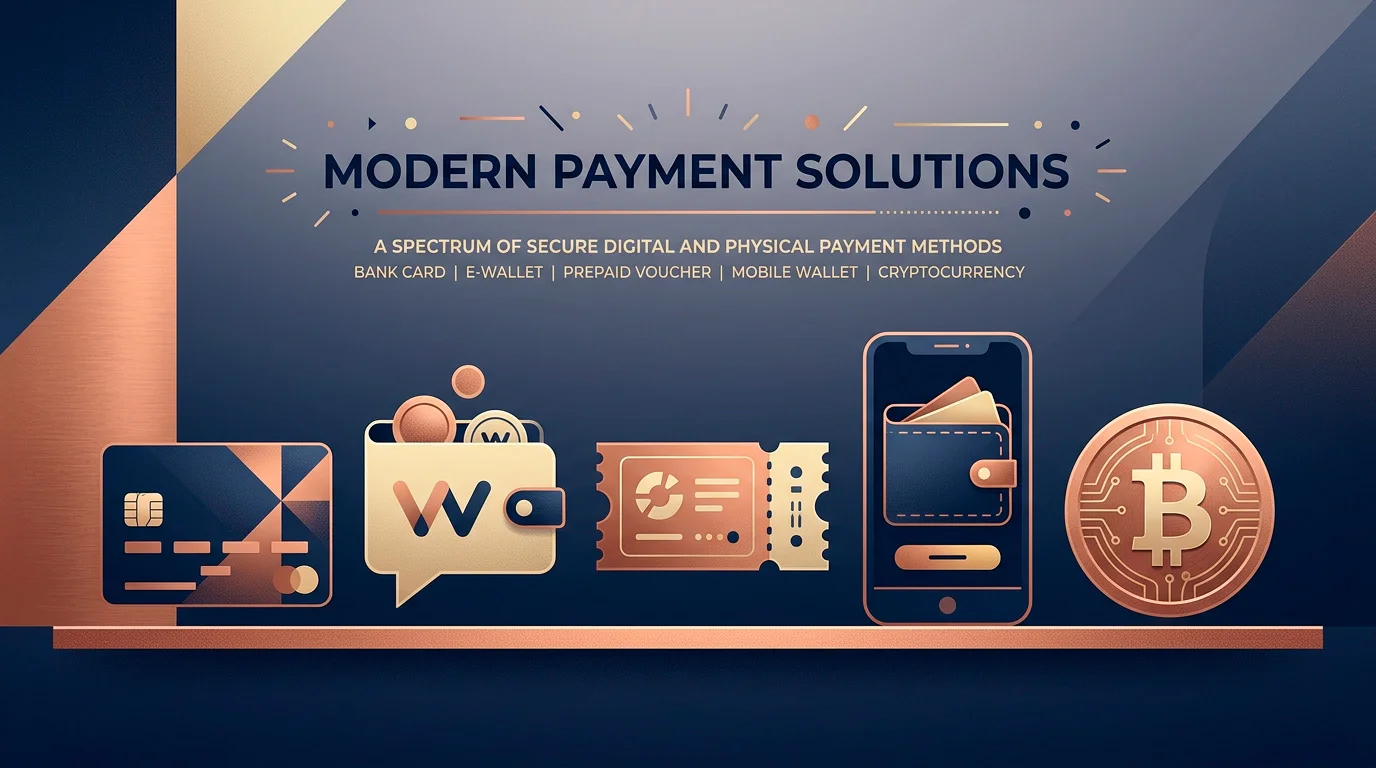
Affiliate listings for casinos not on GamStop usually present payment methods as a marketing feature: “accepts crypto”, “instant withdrawal”, “no card decline”. The reality from the United Kingdom is more layered. A deposit from a British player to an offshore operator passes through at least three control points that affiliate copy rarely mentions: the issuing bank’s merchant-category-code logic, the payment processor’s anti-money-laundering checks, and the operator’s own withdrawal verification. This page works through the five main payment groups used at non-GamStop casinos and explains what actually decides whether a deposit goes through, what a withdrawal looks like, and where the risk sits in pounds and pence for a UK player.
- Compare bank cards: debit, credit and the April 2020 ban
- Understand e-wallets: Skrill, Neteller, MiFinity, AstroPay, Jeton
- Check vouchers: PaysafeCard and the cash-equivalent design
- Compare mobile wallets: Apple Pay, Google Pay and Revolut
- Understand crypto deposits: BTC, ETH, LTC, USDT and the irreversibility trade-off
- Compare the five payment groups at a glance
- Work out which trade-off matches your priorities
- Get help with gambling harm in the United Kingdom
- About the author
Compare bank cards: debit, credit and the April 2020 ban
Bank cards are the most common payment method British consumers think of first and the most common one that fails first at offshore sites. Visa debit and Mastercard debit appear on the published payment list of almost every non-GamStop operator, but in practice a substantial share of attempted transactions is declined at the UK issuer end rather than at the operator end. The reason is the merchant category code 7995, which Visa and Mastercard apply to gambling merchants. UK issuing banks read that code on the inbound authorisation and, where the consumer has switched on the in-app gambling block, decline the transaction. Where the gambling block is not switched on, the issuer may still apply a soft block on offshore gambling transactions under its own anti-fraud policy.
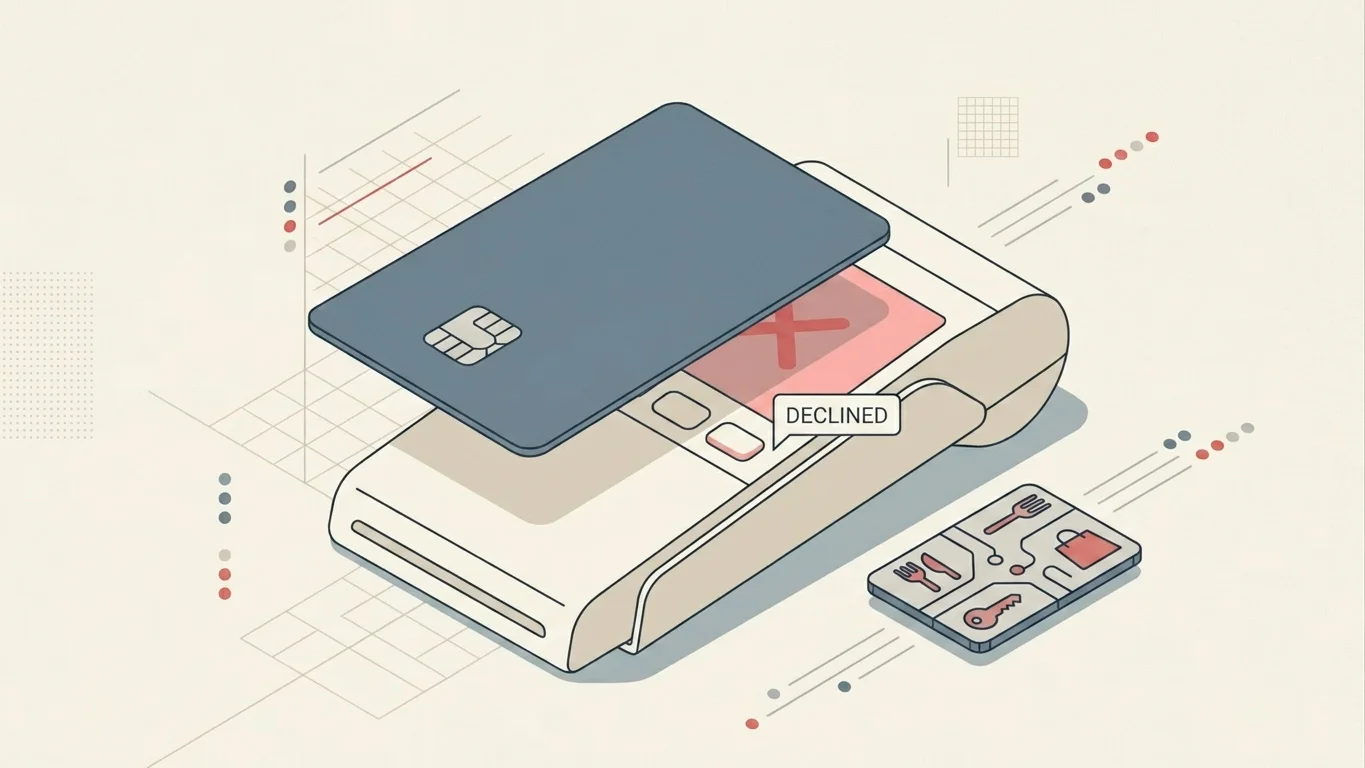
Credit cards are a separate category entirely. Since April 2020 the use of credit cards for online gambling has been banned at every UK Gambling Commission-licensed operator. The regulator’s published evidence base for the ban included its own research finding that around 22 per cent of online gamblers using credit cards were classified as problem gamblers, compared to about 3.8 per cent of debit-card gamblers. The credit-card ban applies to the operator side: a UKGC site cannot accept a credit card, full stop. Offshore operators outside the UKGC perimeter are not bound by the ban, and some accept credit cards, but the same UK issuer-side logic that affects debit cards applies with more force to credit cards, because UK lenders treat consumer credit deployed for offshore gambling as a higher-risk category and reject the authorisation accordingly.
The practical consequence for a British player is that the named payment method on the offshore site’s deposit page is only the first half of the journey. The second half is the issuer’s response to the merchant category code, and that response is increasingly negative. The detail of which UK banks block which codes is on the why UK banks block these deposits page.
Understand e-wallets: Skrill, Neteller, MiFinity, AstroPay, Jeton
E-wallets are the second payment group, and they exist on offshore sites precisely because the bank-card route has become unreliable. The named providers most commonly seen on UK-facing non-GamStop sites are Skrill, Neteller, MiFinity, AstroPay and Jeton. Each works on the same broad principle: the consumer funds the e-wallet from a UK bank account or card, and then transfers from the e-wallet to the operator. The intermediate step is what changes the risk profile. From the issuing bank’s point of view, the transaction is a transfer to a regulated electronic money institution rather than a transaction to a gambling merchant, which means the merchant category code 7995 does not appear on the original authorisation. The card transaction looks like a top-up at a financial-services provider rather than a deposit at a casino, and the gambling block does not catch it.
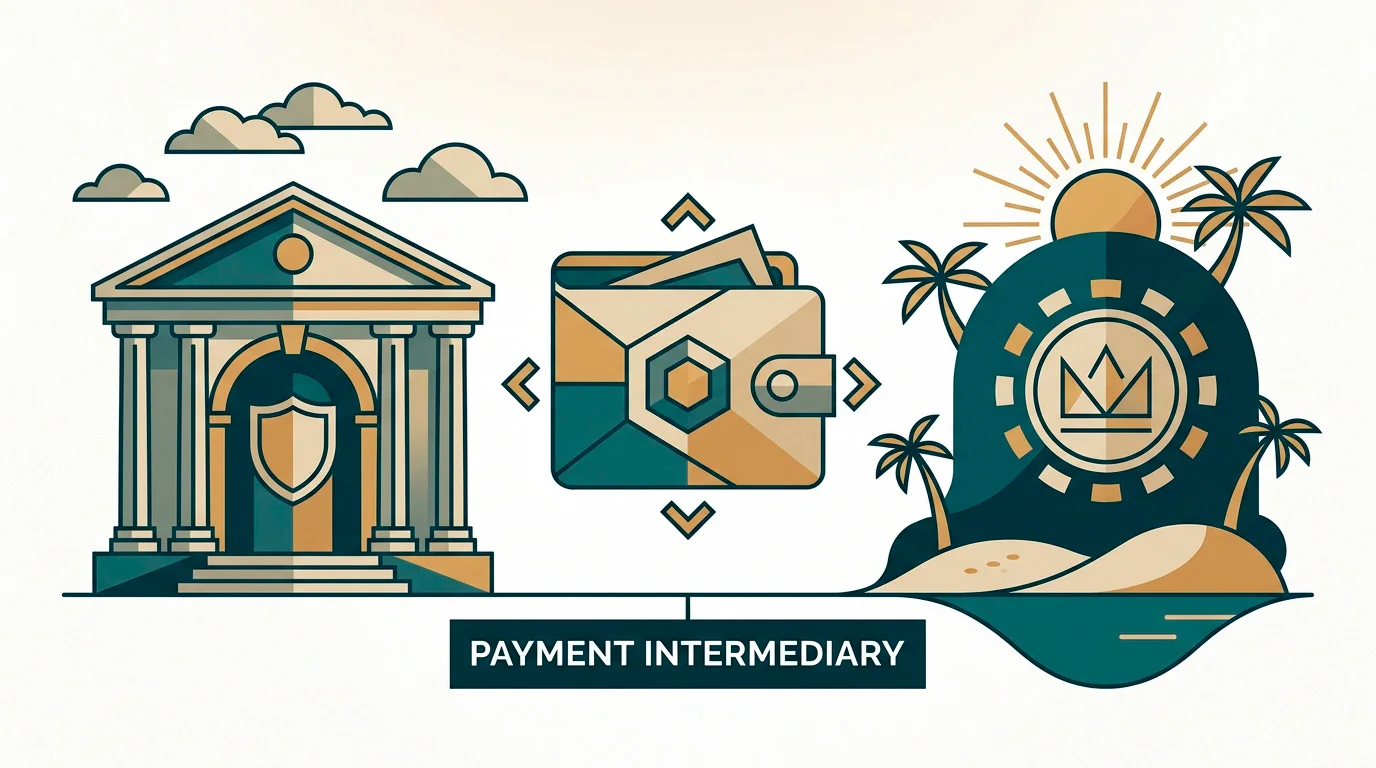
The risk shifts in two ways. The first is operational: e-wallet providers conduct their own anti-money-laundering checks, and a UK consumer who runs a high volume of gambling transactions through Skrill, Neteller or a similar provider may receive a source-of-funds request from the e-wallet provider rather than from the bank. The second is regulatory: the UK Money Laundering Regulations 2017 require regulated payment institutions to monitor for suspicious activity, and a withdrawal pattern that suggests offshore gambling can trigger enhanced due diligence at the e-wallet end. The detail of how those requests work, what documents are typically asked for, and how they interact with offshore casino KYC is on the the KYC layer behind every withdrawal page.
Check vouchers: PaysafeCard and the cash-equivalent design
Voucher methods are the third group. PaysafeCard is the dominant brand in the United Kingdom, and it is widely accepted at offshore non-GamStop sites. The mechanism is essentially a prepaid voucher purchased in cash at a retail outlet such as a convenience store or newsagent. The voucher carries a sixteen-digit code that the consumer enters at the operator’s deposit page. The privacy property is real: the code itself contains no identifying information, and the operator cannot link the voucher back to the consumer’s bank or card without separate identity verification at the withdrawal stage. The trade-off is asymmetry between deposits and withdrawals.
PaysafeCard supports incoming deposits to operators but not outgoing withdrawals to consumers. A British consumer who funds a non-GamStop account through PaysafeCard therefore needs a second method for any winnings, and that second method is almost always a bank account, an e-wallet or, increasingly, a cryptocurrency wallet. The withdrawal-side selection then triggers the operator’s full KYC process, because the cash-equivalent funding model only worked on the deposit side. The result is that consumers who chose PaysafeCard specifically to avoid identity disclosure end up disclosing identity at the withdrawal stage anyway, often with the additional delay of a documents request after winnings have already accrued.
Compare mobile wallets: Apple Pay, Google Pay and Revolut
Mobile wallets are the fourth group, and they sit somewhere between the bank-card and e-wallet logic. Apple Pay and Google Pay tokenise the underlying card credentials and present a virtual card to the merchant, but the original merchant category code on the authorisation is the same as it would be for the underlying card. If the underlying card is a UK debit card, the issuer applies the same gambling-block logic to a mobile-wallet transaction as to a direct card transaction. Revolut is a separate case because it is a regulated electronic money institution rather than a bank issuer; transactions from a Revolut account to an offshore operator pass through Revolut’s own anti-money-laundering and gambling-control logic, which Revolut has tightened repeatedly over the past several years.
The practical effect is that mobile wallets and Revolut offer no special bypass of the bank-side controls; they simply repackage the underlying payment rail. A consumer who turns on a gambling block at Monzo and then tries to use Apple Pay with the same Monzo card will see the same decline as a direct card transaction. A consumer who funds a Revolut account from a UK bank and then attempts an offshore gambling transaction may find Revolut applying its own block on top.
Understand crypto deposits: BTC, ETH, LTC, USDT and the irreversibility trade-off
Cryptocurrency is the fifth and most distinct payment group, and it is the one that most clearly separates non-GamStop sites from UKGC-licensed operators, which do not accept crypto. The currencies most commonly accepted at non-GamStop sites are Bitcoin (BTC), Ethereum (ETH), Litecoin (LTC), Tether (USDT), Ripple (XRP), Dogecoin (DOGE), Bitcoin Cash (BCH), USD Coin (USDC), Solana (SOL) and Tron (TRX). The funding path differs in fundamental ways from any of the fiat options. Once a crypto transaction is broadcast and confirmed on the relevant blockchain, it cannot be reversed by the consumer or the consumer’s bank; there is no chargeback equivalent, and there is no payment processor in the middle that can be ordered to refund.
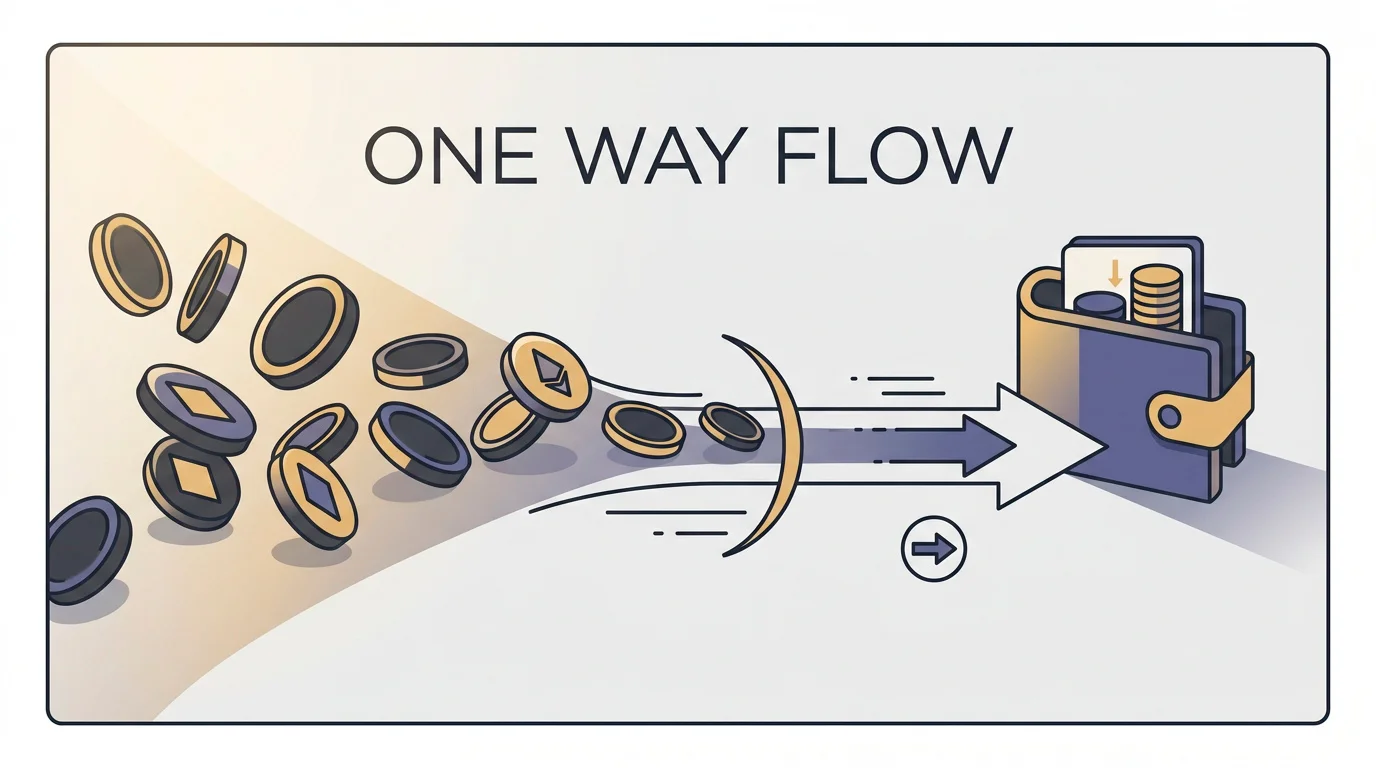
That property is a feature for some consumers and a serious risk for others. The feature is privacy and the absence of UK bank-side blocking. The risk is the complete loss of consumer-side reversibility: if the operator delays a withdrawal, closes the account citing a terms-of-service breach or simply does not respond to support requests, the consumer has no card-network or banking dispute route. The only redress route is the operator’s own internal complaint procedure and, where one exists, the alternative dispute resolution body listed in the operator’s licence. Most offshore operators do not list a UK-recognised ADR body. The Independent Betting Adjudication Service IBAS, which UKGC sites must list, does not cover offshore disputes.
The second risk specific to crypto is the source-of-funds question that arises when winnings are converted back to fiat and arrive at a UK bank account. UK banks are required, under the Money Laundering Regulations 2017, to make further enquiries when transactions are inconsistent with the customer’s known profile. A meaningful inbound crypto-to-fiat conversion routinely triggers a source-of-funds request. The consumer is then asked to evidence the original deposit, the gambling activity and the withdrawal route, which means the privacy advantage of the crypto deposit is reduced by the disclosure required at the cash-out end. The same scam pattern around the delayed KYC withdrawal trap applies here, because operators can require crypto-onboarding KYC at the moment of withdrawal regardless of how anonymous the deposit appeared.
Compare the five payment groups at a glance
Bank cards (Visa debit, Mastercard debit, credit)
Most common method advertised. Credit cards banned at UKGC sites since April 2020; offshore acceptance does not change UK issuer behaviour. Subject to merchant category code 7995 decline at UK issuers with gambling blocks turned on. Chargeback route exists in principle but operators may treat a chargeback as a terms-of-service breach.
E-wallets (Skrill, Neteller, MiFinity, AstroPay, Jeton)
Most reliable route for deposits. The intermediate step changes the merchant code seen by the UK issuer. Carries its own anti-money-laundering monitoring at the wallet provider. Withdrawal speed often faster than card or bank transfer.
Vouchers (PaysafeCard)
Deposit-only. Provides cash-equivalent privacy on the way in. A second method is required for any withdrawal and that second method triggers full operator KYC.
Mobile wallets (Apple Pay, Google Pay, Revolut)
Repackage the underlying payment rail. Apple Pay and Google Pay follow the underlying card’s merchant-code logic. Revolut applies its own gambling controls.
Crypto (BTC, ETH, LTC, USDT, XRP, DOGE, BCH, USDC, SOL, TRX)
Bypasses UK bank-side blocking entirely. Transactions are irreversible once confirmed. Source-of-funds questions arise at the conversion-back-to-fiat stage under the Money Laundering Regulations 2017. No UKGC-recognised dispute body.
Work out which trade-off matches your priorities
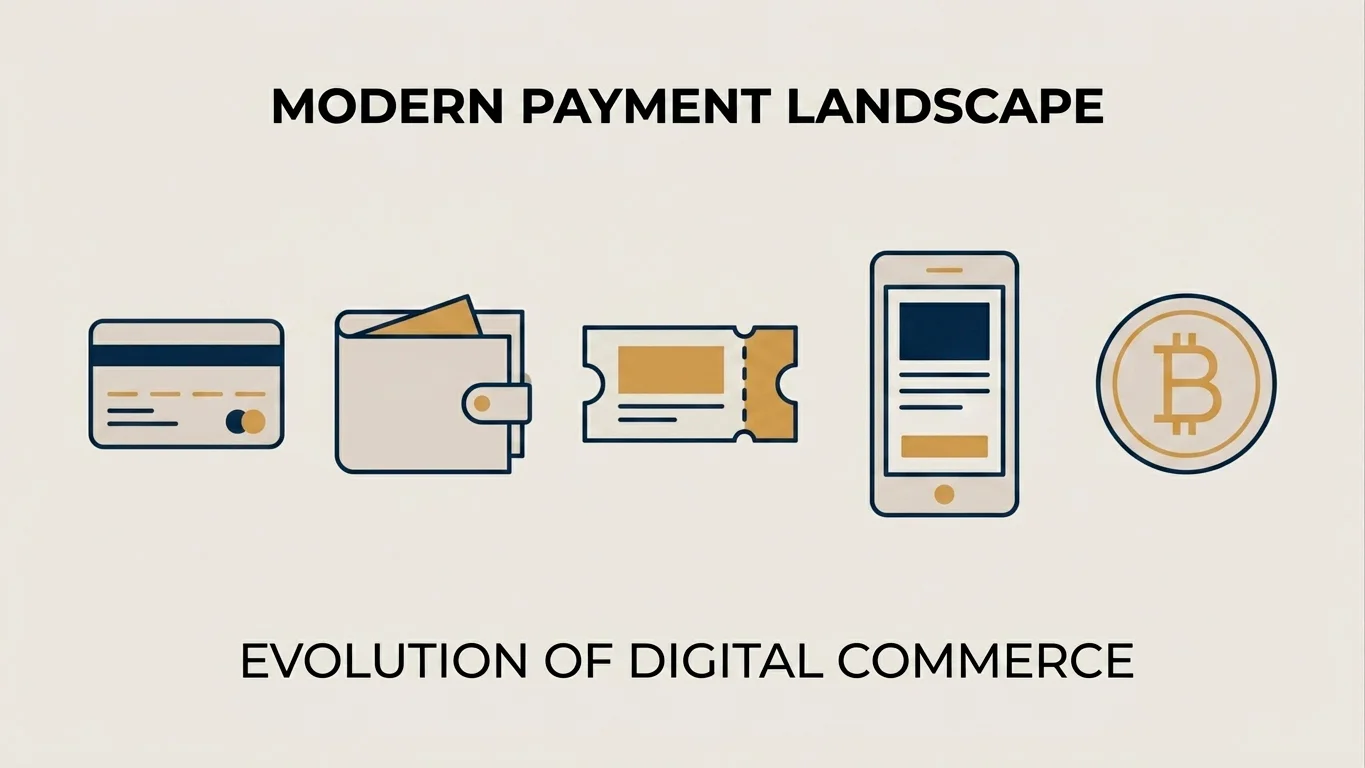
Each payment group answers a different question. Bank cards answer “what is the simplest familiar route” at the cost of the highest decline rate. E-wallets answer “what is the most reliable deposit path” at the cost of an additional intermediary that conducts its own checks. Vouchers answer “what offers the most cash-equivalent privacy on the way in” at the cost of a forced disclosure on the way out. Mobile wallets answer “what is most convenient on a phone” without changing the underlying rail. Crypto answers “what bypasses the UK banking system” at the cost of irreversibility and a source-of-funds question at the conversion-back-to-fiat stage. None of the five is “best” in any abstract sense; they each match a different priority and carry a different risk.
The wider picture, including the legal status of offshore operators for a British player and the licensing regimes that sit behind the payment chain, is set out on the main overview. The next step a British reader is most likely to need is on the bank side, where the UK bank gambling blocks page covers exactly which UK banks block which codes and how the in-app cooling-off interacts with the deposit attempt.
Get help with gambling harm in the United Kingdom
If thinking about payment routes around UKGC restrictions is itself a sign that gambling is becoming a problem, please call the National Gambling Helpline first. It is on 0808 8020 133, free from any UK landline or mobile, 24 hours a day, 7 days a week, with live chat at gamcare.org.uk. gambleaware.org publishes treatment and prevention information. gamstop.co.uk is the national self-exclusion scheme.
About the author
Nathan Caldwell is a gambling-regulation researcher who has spent more than a decade analysing how UK self-exclusion schemes, licensing frameworks and offshore operators interact. His work centres on player-protection mechanisms, the GamStop scheme and the practical realities British players face when they encounter operators licensed outside the United Kingdom. He writes to help readers weigh the legal and safety trade-offs behind their gambling decisions rather than to promote any single operator. Read more about Nathan on the author profile.
Written by the editors at Casino not on Gamstop.