
Compare TalkBanStop, Gamban and bank-level gambling blocks
 Available in GB
GamStop only blocks UK-licensed sites. That single sentence is the reason this page exists. The scheme works extremely well within its regulatory perimeter, but the perimeter does not extend to operators licensed in Curacao, Anjouan, Malta or anywhere else outside the United Kingdom. For consumers who want protection that travels beyond the UKGC perimeter, the practical answer is to combine GamStop with two additional layers: device-side blocking software and bank-side in-app gambling controls. This page sets out the TalkBanStop programme that ties those layers together, the Gamban device blocker that is at its centre, the free BetBlocker alternative, and the gambling-block features now built into the major UK banking apps including Monzo, Starling, Lloyds, NatWest, HSBC and Halifax.
- Understand the three-layer model
- Check how the TalkBanStop programme ties the layers together
- Understand how Gamban blocks gambling at the device level
- Compare the in-app gambling blocks at major UK banks
- Understand the gaps that each layer leaves open
- Check which combination matches your situation
- Get help with gambling harm in the United Kingdom
- About the author
Understand the three-layer model
The simplest way to picture the United Kingdom’s self-exclusion ecosystem is as three concentric layers. The innermost layer is the operator gate: GamStop, which queries every UK-licensed gambling operator before a registration or log-in is accepted. The middle layer is the device gate: software such as Gamban or BetBlocker that runs on the consumer’s own laptop, tablet or phone and refuses to load gambling domains regardless of whether they are UKGC-licensed or offshore. The outermost layer is the payment gate: the in-app gambling controls offered by the major UK banks, which refuse to authorise card transactions or transfers to merchants whose codes mark them as gambling businesses. Each layer has known gaps, but the three layers combined cover the practical paths to a gambling transaction more completely than any single one of them does alone.
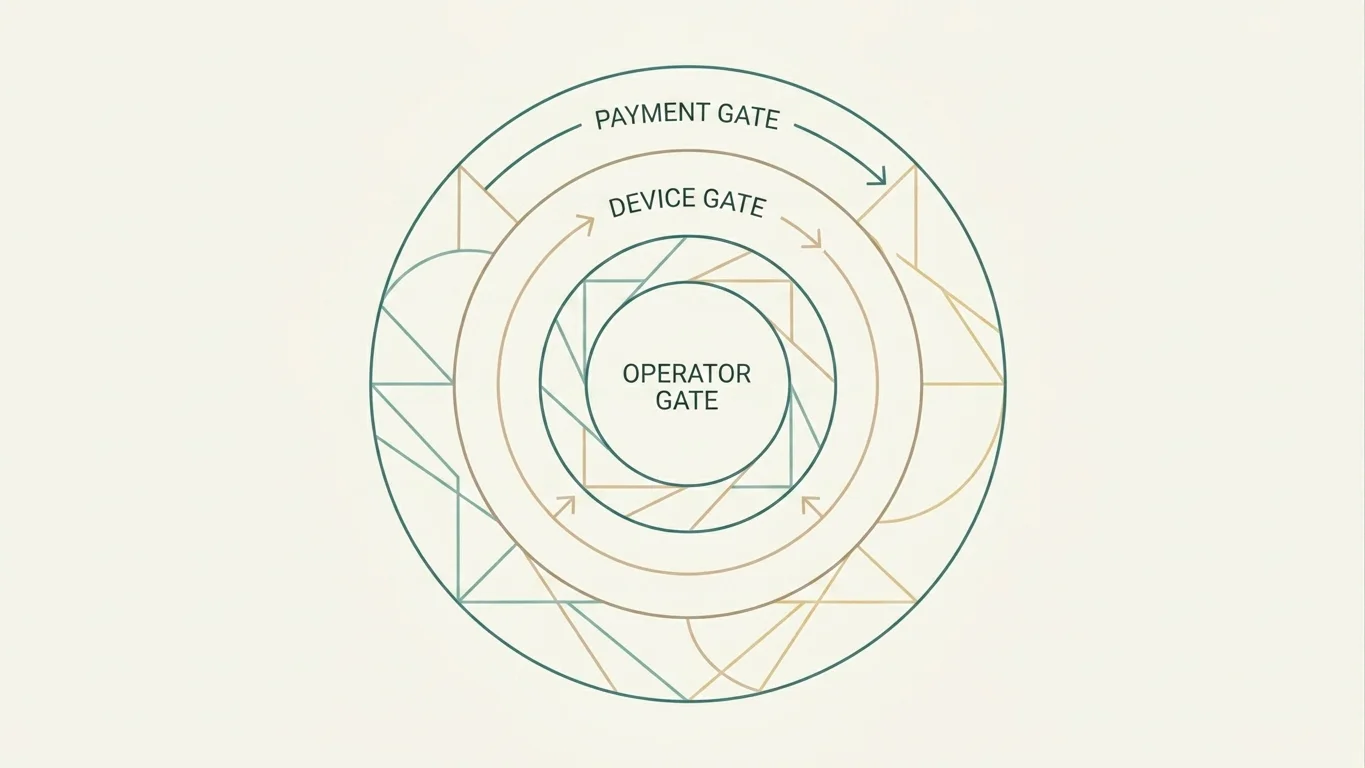
The reason this matters in the context of casinos not on GamStop is straightforward. Offshore operators that do not hold a UK Gambling Commission licence are outside the innermost layer entirely; they do not query the GamStop database and never see a registration. If the only protective tool a consumer has in place is GamStop, the offshore market is, by design, fully reachable. Adding the device layer cuts off the route to those sites at the browser level. Adding the payment layer cuts off the route to those sites at the bank level. Neither addition is perfect on its own, but the combination is robust enough that most relapse paths require active circumvention rather than passive availability.
Check how the TalkBanStop programme ties the layers together
TalkBanStop is a joint initiative that combines the three main player-protection routes into one onboarding journey. It is delivered by GamCare, the National Online Self-Exclusion Scheme and Gamban, and it is funded by the UK Gambling Commission through the regulatory settlement mechanism. The journey starts with a phone call or live-chat conversation with the National Gambling Helpline at GamCare, where an adviser walks the consumer through the choice of exclusion length, the GamStop registration itself, and the parallel installation of the Gamban device blocker. A free Gamban licence is provided as part of the programme so that the device layer is added at no additional cost.
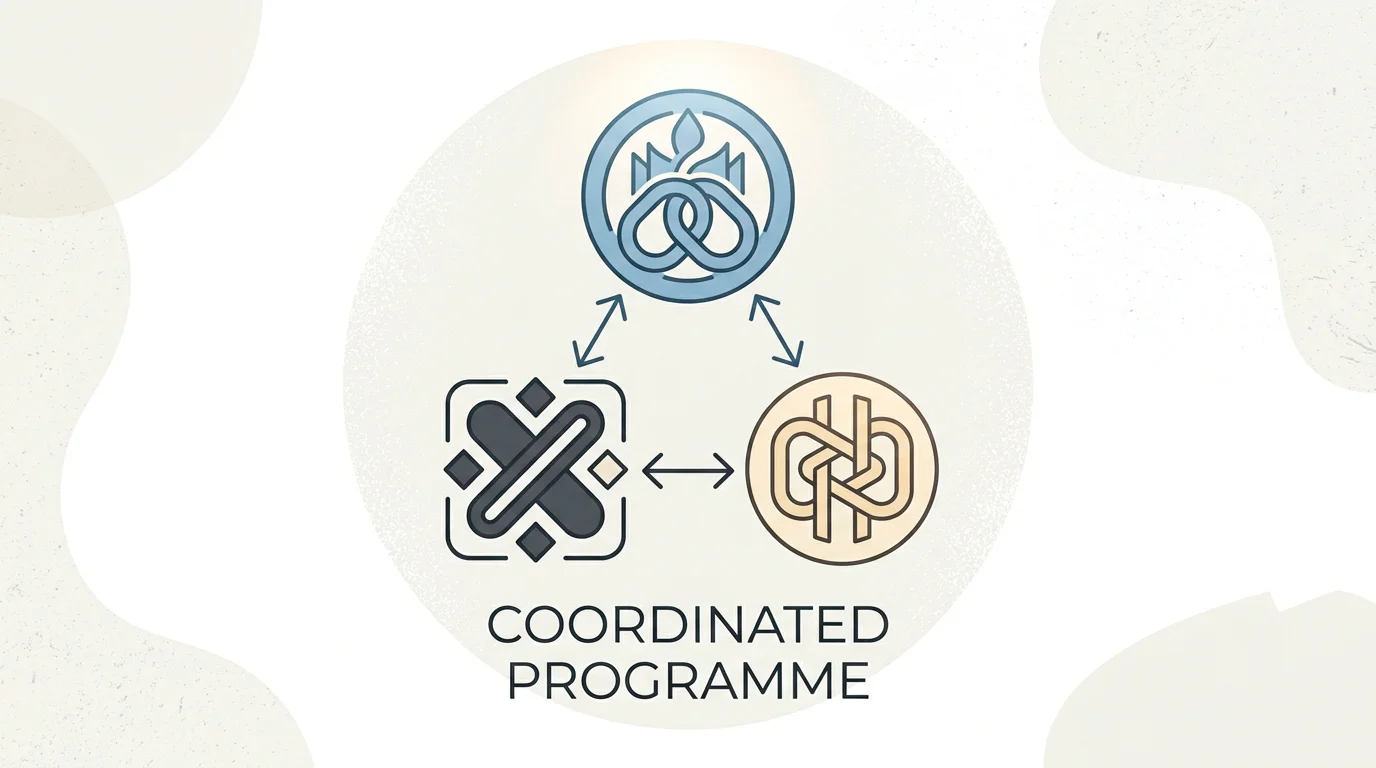
The programme exists because earlier research consistently found that consumers who registered for GamStop alone were significantly more likely to relapse than those who also installed device-side software, and that consumers who tried to install device-side software without support tended to abandon it during the first technical hurdle. The single-call onboarding journey was designed to eliminate the gap between those two states. The full programme details, including the eligibility criteria and the helpline’s published opening guarantees, are on gamcare.org.uk.
Understand how Gamban blocks gambling at the device level
Gamban is a piece of consumer software that runs locally on a laptop, tablet or phone and refuses to load gambling domains. It is operator-agnostic, which is the crucial property: it does not care whether a site is licensed in the United Kingdom, Curacao, Anjouan or anywhere else. The block applies on the basis of the domain rather than the licence. Gamban’s database is updated continuously, and the software’s developers maintain a long list of offshore casino brands alongside UK-licensed operators. A registered Gamban user who tries to navigate to an offshore site sees a block screen rather than the site, regardless of which licence the operator holds or claims to hold.
The software is paid in the consumer market, but free licences are provided through the TalkBanStop programme described above. For consumers who want a free option outside the TalkBanStop journey, BetBlocker provides a similar function at no cost and is funded by the Alpha Innovation Charity in partnership with industry. The choice between Gamban and BetBlocker is mostly a matter of platform coverage and user-experience preference. Both block at the domain level, and both are robust against the simpler workarounds that consumers occasionally try, such as changing the DNS server or switching to a different browser. Neither tool is a substitute for the GamStop database, because device-side blocking does not stop a consumer from gambling on a different device. The point of layering is that each layer covers one gap left by the others.

Compare the in-app gambling blocks at major UK banks
The third layer is the in-app gambling block that every major UK bank now offers. The feature is initiated by the consumer inside the mobile banking app, and once it is active the bank refuses to authorise card transactions or transfers to merchants whose codes mark them as gambling businesses. The underlying mechanism is the Visa and Mastercard merchant category code 7995, which covers betting including lottery tickets, casino gaming chips, off-track betting and wagers at race tracks. When a card transaction is presented to the issuing bank with MCC 7995 and the customer has the gambling block switched on, the authorisation is declined.
Monzo was the first UK bank to offer a gambling block of this kind, in 2018, and the feature now exists at Starling, Lloyds Bank, NatWest, HSBC and Halifax, among others. The exact name varies between apps: some call it a “gambling block”, some a “spending control”, and some embed it in a wider category-block tool. The behavioural design is similar across providers. Most include a cooling-off period of either 24 or 48 hours between the moment the block is switched off and the moment a gambling transaction can actually be authorised. The cooling-off design is intentional and mirrors the GamStop end-of-period cooling-off concept covered on the official end of self-exclusion process page; both designs assume that an immediate reversal is more often a relapse than a considered decision.
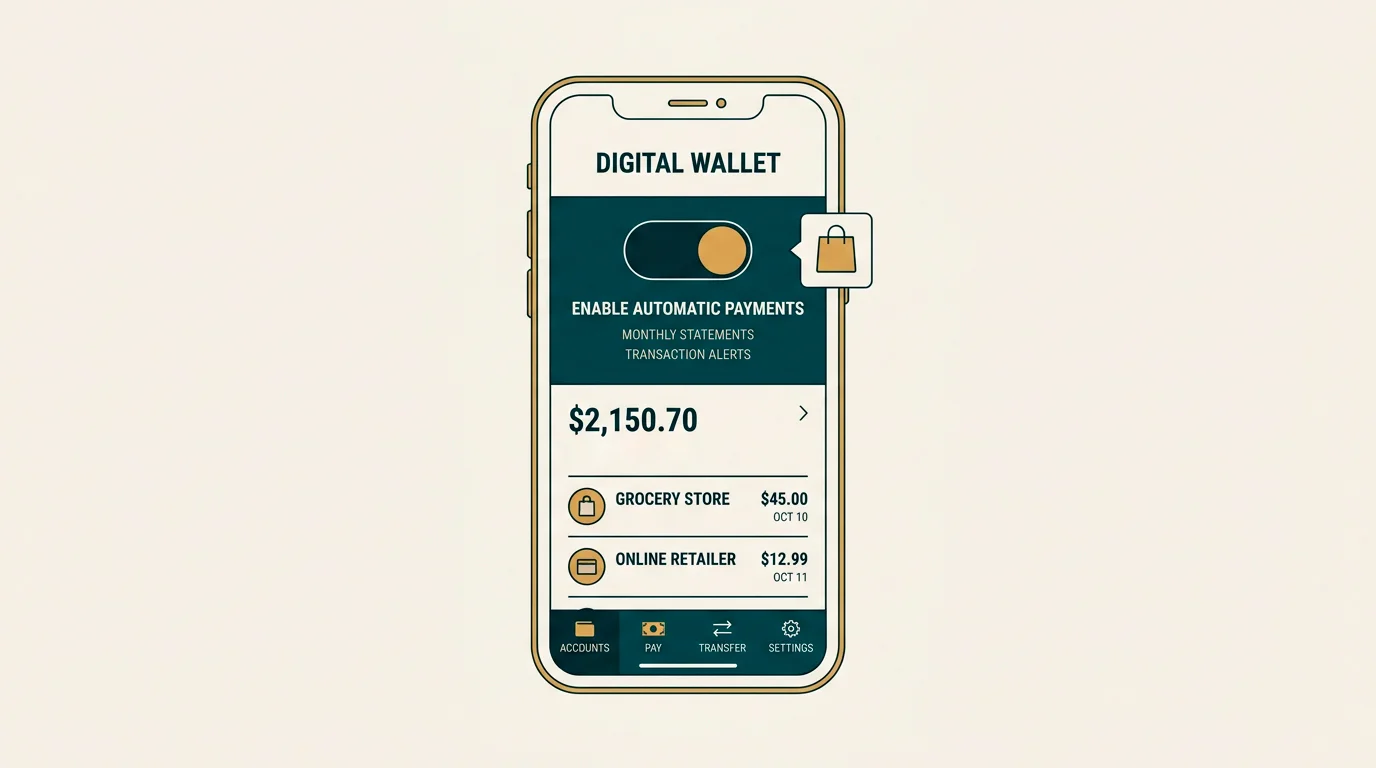
The in-app block is not without limits. Some offshore operators run their card transactions through a payment processor that uses a different merchant category code, such as 5816 for digital goods and games or 7997 for membership clubs, which means the gambling block does not catch the transaction. Some operators deliberately route through alternative providers for exactly this reason. Bank-side gambling controls therefore work very well against UK-licensed sites whose merchants are coded correctly and against offshore sites whose processors use the gambling code by default, but they work less well against the subset of offshore sites that have actively repositioned themselves to avoid the code. The detail of how this works in practice is on the UK bank gambling blocks page, including the consumer-protection consequences of trying to dispute a transaction that bypassed the block.
Understand the gaps that each layer leaves open
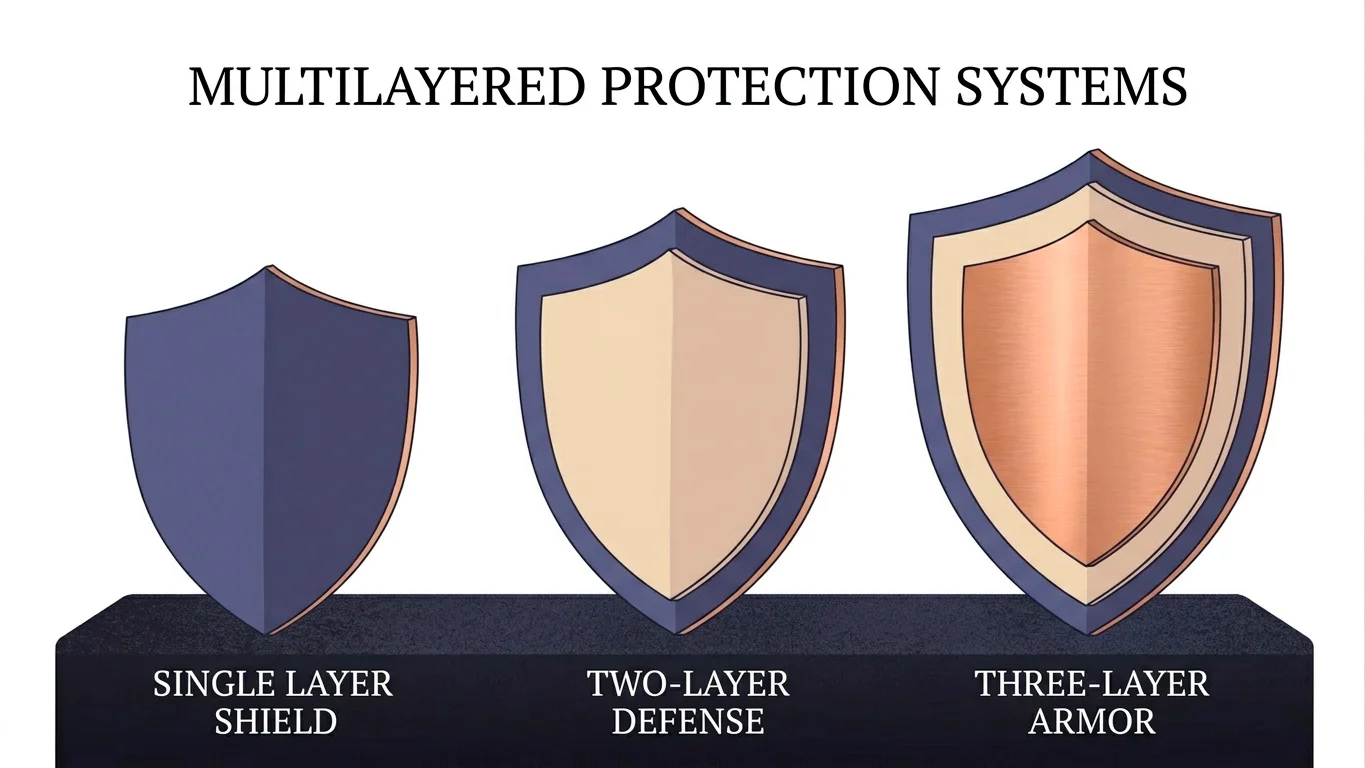
Every layer has a specific known gap, and being explicit about each one is more useful than pretending the system is perfect. GamStop does not cover any operator outside the UKGC perimeter, does not cover land-based gambling, and does not cover lotteries. Gamban and BetBlocker do not stop a determined user from buying a second device, do not block crypto-only sites that the database does not yet recognise, and can be partially circumvented by a sophisticated user who is willing to reinstall a clean operating system. Bank-side blocks do not catch transactions that route through non-gambling merchant codes and do not catch crypto-on-ramps that present themselves as exchange transactions. The four gaps are different in character and the combination of all three layers narrows each of them substantially without closing any single one in isolation.
The other practical limit is that all three layers depend on the consumer keeping them in place. None of them is a treatment route, and none of them substitutes for the clinical and peer-support pathways that exist alongside the blocking ecosystem. The underlying GamStop scheme detail page explains the database side in full, and the helpline numbers and treatment services that complement the blocking tools are set out in the responsible-gambling section below and on the legitimate removal route page.
Check which combination matches your situation
For consumers who use only UK-licensed sites and are not actively seeking offshore alternatives, the operator layer on its own is meaningful protection. For consumers who have noticed themselves searching for non-GamStop casinos during an active exclusion, the operator layer alone is not enough; the device layer is the priority addition because it removes the offshore market from the browser. For consumers who have already deposited at offshore sites in the past, all three layers should be in place, because the historical behaviour shows that any single layer left out is likely to be the one that fails. The TalkBanStop programme is the cleanest single-call onboarding for a consumer who wants the operator layer and the device layer applied together; the bank-app layer is added separately inside each banking app and only takes a few taps.
For wider context on why offshore sites exist at all, why the licensing regimes that underpin them differ from the UKGC, and what the practical risks are for a British player who encounters them, the rest of this site provides the background. The wider context of casinos not on GamStop on the hub page sets out the full picture, including the operator-side and player-side legal positions and the payment-chain realities that the three blocking layers are designed to interrupt.
Get help with gambling harm in the United Kingdom
The National Gambling Helpline, operated by GamCare, is on 0808 8020 133, free from any UK landline or mobile, 24 hours a day, 7 days a week, with live chat at gamcare.org.uk. The TalkBanStop programme is delivered through the same helpline. gamstop.co.uk is the national self-exclusion scheme. gambleaware.org publishes treatment and prevention information.
About the author
Nathan Caldwell is a gambling-regulation researcher who has spent more than a decade analysing how UK self-exclusion schemes, licensing frameworks and offshore operators interact. His work centres on player-protection mechanisms, the GamStop scheme and the practical realities British players face when they encounter operators licensed outside the United Kingdom. He writes to help readers weigh the legal and safety trade-offs behind their gambling decisions rather than to promote any single operator. Read more about Nathan on the author profile.
Created by the ”Casino not on Gamstop” editorial team.