Check why UK banks block deposits to offshore casinos
 Available in GB
A British debit card declined at the checkout of an offshore casino is the most common practical obstacle a player on this side of the Channel encounters. The block is rarely caused by the operator. It is almost always caused by the issuing bank, and the mechanism behind it sits at the intersection of one obscure four-digit number (merchant category code 7995), several in-app gambling controls that the major UK banks rolled out between 2018 and 2023, and the anti-money-laundering rules that apply to the bank itself under the Money Laundering Regulations 2017. This page explains each layer and what each of them means for a deposit from a UK account.
- Understand what merchant category code 7995 actually is
- Compare the in-app gambling blocks at major UK banks
- Recognise when an operator routes around the MCC
- Understand the AML layer that drives source-of-funds queries
- Weigh the cost of routing around the block
- Read a decline message correctly
- If a bank block keeps firing, treat it as the signal it is
- Treat the block as part of a wider control surface
- About the author
Understand what merchant category code 7995 actually is
Every card transaction processed through Visa or Mastercard carries a four-digit merchant category code (MCC) that classifies the kind of business being paid. The MCC is assigned by the merchant’s acquiring bank when the merchant opens a card-processing account and is supposed to reflect the true nature of the merchant’s business. MCC 7995 is the global code for “betting, including lottery tickets, casino gaming chips, off-track betting and wagers at race tracks”. Every legitimate online gambling merchant should be assigned MCC 7995 by its acquirer, and the card networks publish the MCC list as part of their merchant rules.
The reason MCC 7995 matters in this context is that it is the technical lever the bank uses to identify a gambling transaction in real time. When a player types a card number into an offshore casino’s payment page and presses Pay, the authorisation message that reaches the issuing bank contains the merchant’s MCC. If the bank has a rule that says “decline MCC 7995 from this account”, the transaction will fail with a card decline that the operator displays as a generic “your bank refused this transaction”. The player can blame the operator and the operator can blame the player’s card. The decision was actually taken by an automated rule at the issuing bank that read one four-digit field.
Compare the in-app gambling blocks at major UK banks
Every major UK retail bank has rolled out an in-app gambling control over the past several years, prompted by the same harm-reduction policy direction that produced GamStop and the affordability checks at UKGC casinos. The exact branding differs but the underlying mechanism is the same: the customer activates the control inside the bank’s mobile app, the bank flags the customer’s accounts as MCC 7995 declined, and any future card or open-banking transaction that arrives with that code is rejected automatically.
Monzo introduced its gambling block in 2018 and pairs it with a 48-hour cool-down: once the block is activated the customer cannot deactivate it for at least 48 hours, even after speaking to support, which is intended to break the impulse-driven attempt to remove the block in the middle of a session. Starling’s spending controls work in the same way and have been part of the app since 2019. Lloyds, NatWest, HSBC, Halifax, Santander, Barclays and Nationwide have all introduced equivalent features, generally with a cool-down period of 24 to 72 hours depending on the bank. GambleAware publishes a guide to gambling-block features across UK banks for consumers who want to compare them in detail.
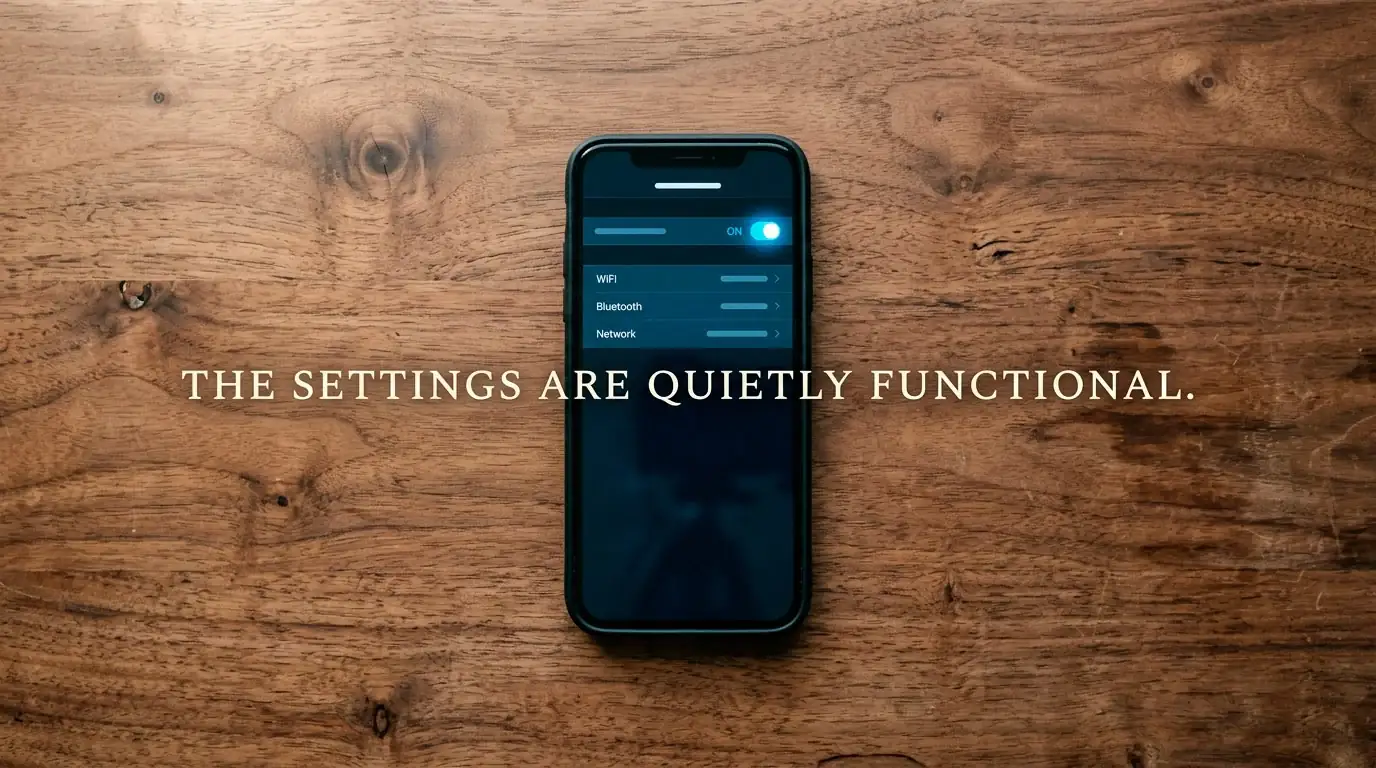
From the point of view of an offshore casino, every one of these in-app controls is opaque. The bank does not tell the operator that the customer has activated a block; it simply declines the transaction. The customer is the only person who knows the cause of the decline, and a customer who turned on the block six months ago has often forgotten that they did so. If your card is being declined for offshore casino transactions and you cannot explain why, opening the banking app and looking at the gambling-control toggle is the first thing to check.
Recognise when an operator routes around the MCC
Some offshore operators route payments through processors that do not declare the merchant under MCC 7995. The payment may be processed under a generic e-commerce MCC such as 5816 (digital goods) or 6051 (quasi-cash transactions to obtain cryptocurrency). The card sees a “digital goods purchase” or “crypto on-ramp” rather than a gambling transaction, and the MCC-based block does not fire. The player’s deposit goes through.
This is not a neutral workaround for the player. Routing a gambling transaction under an incorrect MCC is a breach of the card network’s merchant rules, and the card issuer’s chargeback rights become limited if the transaction is contested. Several British banks have tightened their compliance teams’ monitoring of recurring offshore counterparties on this basis, and players who have made repeated offshore deposits via mis-coded MCCs have reported being asked to close accounts. From a player perspective, an operator that routes around the MCC is therefore trading short-term convenience (the deposit goes through) for medium-term risk (the bank may revoke the relationship). The dynamics of the deposit chain itself are covered in detail on the companion page on payment routes around card blocks.
Understand the AML layer that drives source-of-funds queries

The second layer of bank-side control fires not on the deposit but on the withdrawal. UK banks are obliged under the Money Laundering, Terrorist Financing and Transfer of Funds (Information on the Payer) Regulations 2017, almost always called the MLR 2017, to apply customer due diligence and to monitor for unusual or suspicious transactions throughout the customer relationship. When a meaningful sum arrives in a UK current account from an offshore gambling source, the bank’s transaction-monitoring system is required to flag it for review. The threshold at which the flag fires varies by bank and by customer profile, but in practice the queries start at low five-figure annual aggregates and can be triggered by individual transactions of a few thousand pounds depending on the customer’s historical pattern.
The review will usually take the form of a source-of-funds questionnaire sent to the customer through the banking app or by post. The customer is asked to explain where the money came from, supply documentation (typically operator account statements, KYC confirmation from the operator and trace-back to the original funding source), and confirm that the source is lawful. The bank is not adjudicating whether the gambling was lawful in the United Kingdom; it is adjudicating whether the funds are clean for anti-money-laundering purposes. If the customer cannot satisfy the enquiry to the bank’s standard, the bank may exit the relationship under section 7.3 of its standard terms.
The practical consequence is that even where a deposit succeeds in evading the MCC block, the withdrawal back into a UK current account can still trigger a bank-side review. KYC at the operator and KYC at the bank are separate problems with separate evidentiary standards, and a British player who deposits and withdraws through offshore channels will eventually encounter the bank-side layer. UK bank source-of-funds queries sets out the documentation that the bank typically requests.
Weigh the cost of routing around the block

From a player perspective the natural question is whether the block can be bypassed. The technical answer is that some bypasses exist (using a card from a bank that has not activated MCC 7995 controls on the customer’s account, depositing via a crypto on-ramp under a non-gambling MCC, using a prepaid voucher such as PaysafeCard) and the practical answer is that each of those routes carries its own consequences. Crypto on-ramps tend to involve higher fees and exchange-rate spreads; PaysafeCard limits the maximum deposit and forces the player to use voucher purchase channels; cards from banks without gambling controls are by definition outside any harm-reduction framework the player set up for themselves.
The strongest argument for not routing around the block is the one the block was designed to make. If the customer activated a gambling control at any point in the past, that activation reflected an intention at that time to put friction between themselves and gambling spend. Defeating that friction in the moment to chase an offshore deposit is precisely the impulse the cool-down period was designed to interrupt. The official channels for replacing the bank-side block with a more comprehensive solution are set out on the companion page about official blocking tools instead of bypass, which include the TalkBanStop programme combining GamCare’s helpline, GamStop registration and free Gamban device-level blocking.
Read a decline message correctly
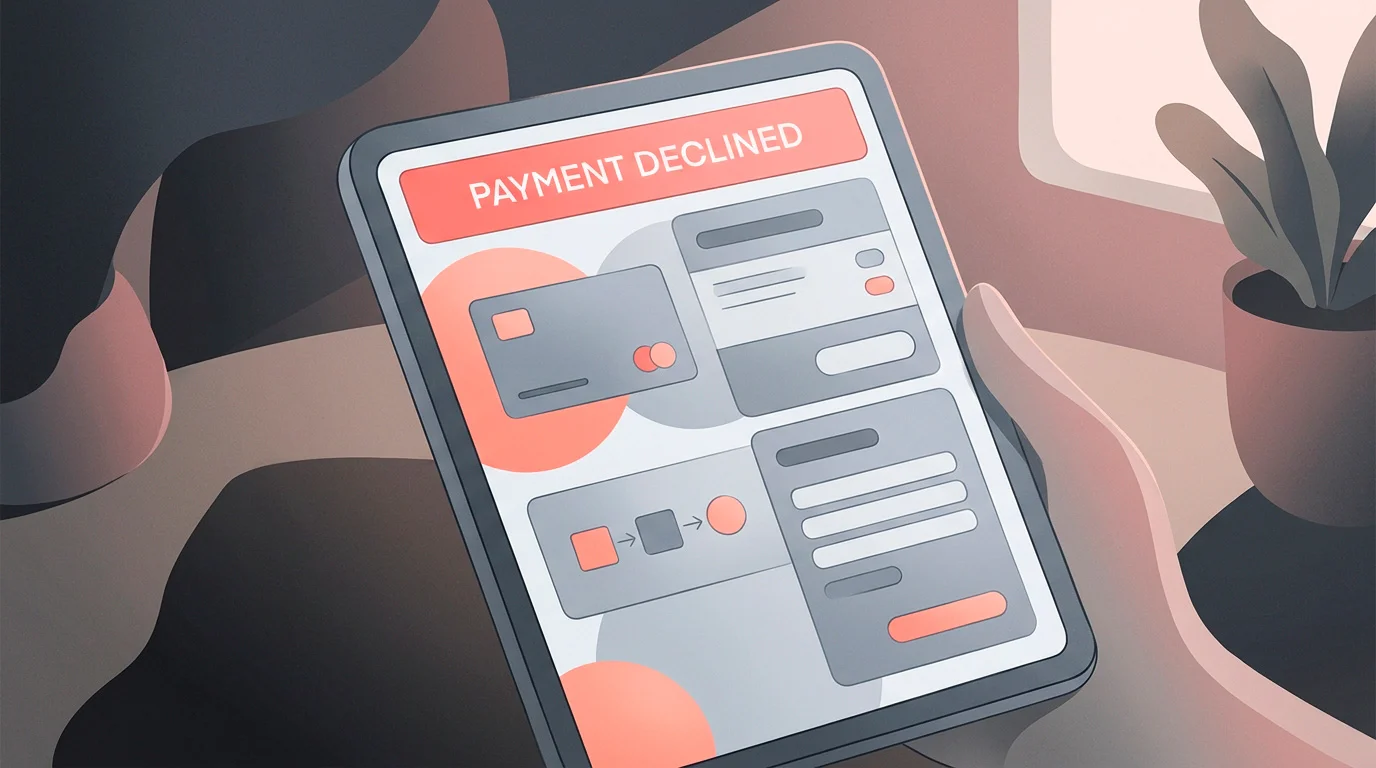
When a deposit fails at an offshore casino the decline message displayed by the operator is rarely informative. It will usually say “your card was declined”, “issuer unavailable” or “please contact your bank”. None of these messages tells the player whether the decline came from the issuer’s gambling control, from a card-network risk rule, from the operator’s own anti-fraud system or from a mismatched address verification. The correct first step is not to retry the card (which can trigger additional anti-fraud holds) but to open the banking app and look for two things: any in-app gambling control toggle, and any pending or recent card transaction note from the bank that explains the decline reason. If the gambling control is on, the answer is clear. If the gambling control is off and the bank has flagged a “high-risk merchant” or “unsupported merchant category” decline, the answer is also clear: the bank is refusing the transaction at the policy layer regardless of whether the gambling control is active.
The combination matters because the response to each cause is different. A gambling-control decline is a deliberate self-imposed restriction that can be removed only after the cool-down. A high-risk merchant decline is a bank-policy decision that no in-app action will reverse; the only paths around it are a different funding source (which raises the questions above) or simply not making the deposit.
If a bank block keeps firing, treat it as the signal it is
A bank-side gambling control that keeps catching attempted offshore deposits is doing exactly what it was designed to do. The National Gambling Helpline run by GamCare is free, 24 hours a day, 7 days a week, on 0808 8020 133, with live chat at gamcare.org.uk. GambleAware funds treatment through the National Gambling Treatment Service. The official self-exclusion route remains gamstop.co.uk, and the joint programme TalkBanStop combines all three at once.
Treat the block as part of a wider control surface
The bank-side block is one layer of three that determine whether an offshore deposit is realistic for a British player. The other two are the operator’s licensing and verification, covered at e-wallet and crypto deposit options, and the KYC and source-of-funds layer covered at KYC and source-of-funds checks. Each layer can be navigated individually; together they form the practical reason that GamStop’s coverage of the UKGC-licensed market is more comprehensive than the marketing claims of offshore brands suggest. Returning to the casinos not on GamStop hub sets the picture in its wider regulatory context.
About the author
Nathan Caldwell is a gambling-regulation researcher who has spent more than a decade analysing how UK self-exclusion schemes, licensing frameworks and offshore operators interact. Read the full profile on the about page.
Created by the ”Casino not on Gamstop” editorial team.