
Compare Curacao, Anjouan and MGA licences after the 2024 LOK reform
 Available in GB
Almost every casino marketed as “not on GamStop” to British players sits under one of three offshore licence regimes: Curacao, Anjouan or, more rarely, Malta. The names have become marketing shorthand on listicle sites, but the regimes themselves changed materially between 2023 and 2025, and the practical meaning of each licence for a UK player is now quite different from what it was even two years ago. This page walks through what each regime requires of the operator, how the licence numbers look in operator footers, and where each regime sits on the spectrum of player protection.
- Understand what the Curacao LOK reform actually changed
- Recognise the Anjouan ALSI licence and why it grew
- Compare the MGA licence against the offshore baseline
- Account for the smaller regimes around the edges
- Read the regimes side by side
- Spot when one licence covers many sister brands
- Understand how KYC differs across jurisdictions
- Use the UK support channels regardless of where the operator is licensed
- Use the regime as the first filter, not the last
- About the author
Understand what the Curacao LOK reform actually changed
Curacao is the single largest source of licences in the non-GamStop niche, and the regime changed fundamentally on 24 December 2024 when the National Ordinance on Games of Chance, known by its Dutch initials as the LOK (Landsverordening op de Kansspelen), entered into force. The reform replaced the National Ordinance on Offshore Games of Hazard (NOOGH) and ended the sub-licensing system in which four master licence holders had been entitled to issue sub-licences to operators. Under the new framework the Curacao Gaming Authority, which is the renamed successor to the Gaming Control Board, is the sole issuer of operating licences and the sole supervisor of compliance.
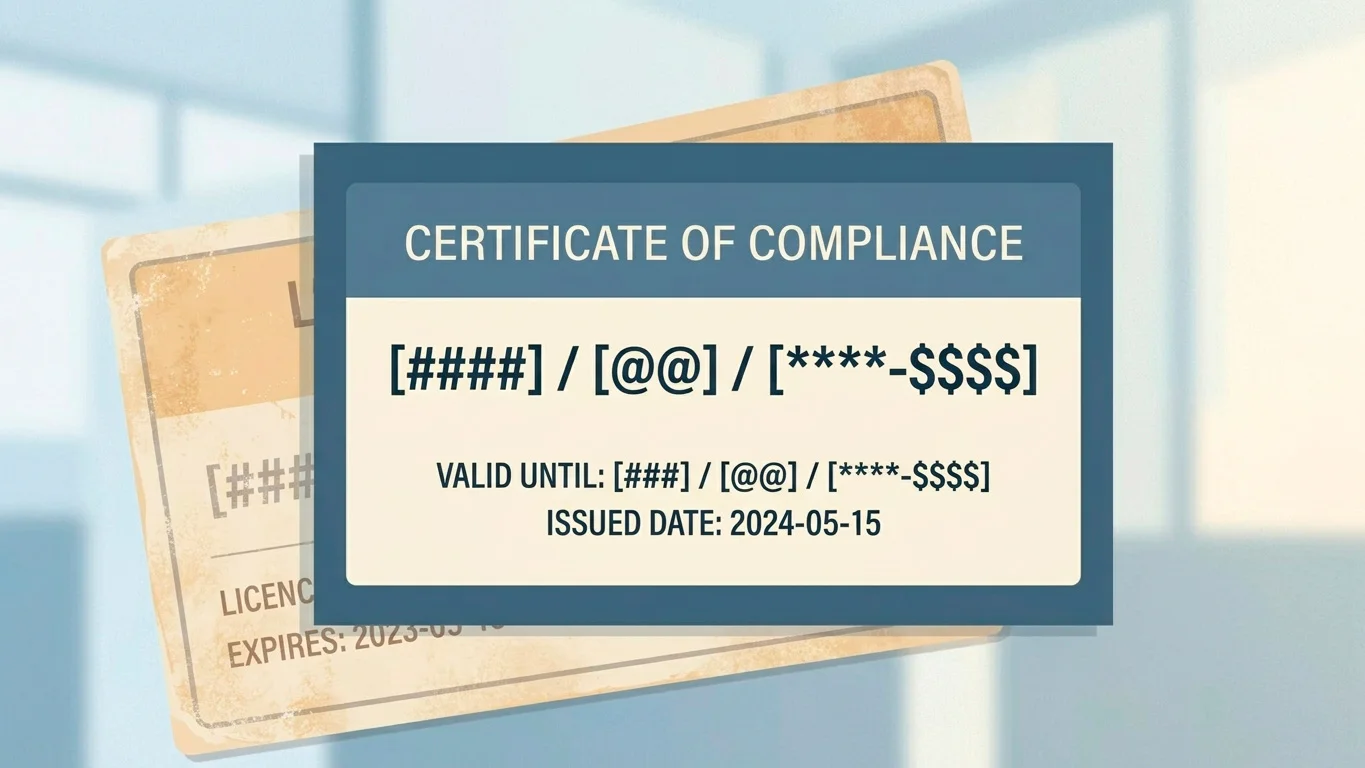
The licence number format changed with the regime. Licences issued under the LOK take the form OGL/2024/####/#### (Online Gaming Licence, the year of issue, and two number blocks identifying the licensee and the sub-class). Legacy sub-licences under the old master-licence system, identified by strings such as 1668/JAZ, are being phased out under transitional provisions: NOOGH licences remained valid until 24 June 2025 with the option of a six-month extension. By mid-2026 a footer that still cites a 1668/JAZ sub-licence as the only authority for the site is a meaningful warning sign, because the regime that issued that licence has been superseded. The operator should either have transitioned to a fresh OGL/2024/#### licence or have ceased trading.
What the LOK requires from an operator is more demanding than the old system, although it remains lighter than UKGC supervision. The CGA requires that the licence holder be a Curacao-incorporated legal entity managed by a resident director (or by a Curacao corporate entity with a resident director). It imposes a comprehensive set of policies on player-fund handling, anti-money-laundering controls, responsible-gambling features and operational transparency. The published policy on player funds requires “adequate” protection but, unlike the UK Gambling Commission framework with its tiered fund-protection ratings, the LOK does not set a defined minimum reserve. The practical meaning of that is that an LOK-licensed operator is required to ringfence player money in some form but the reader has to take the operator’s word for the strength of that ringfence.
Recognise the Anjouan ALSI licence and why it grew
The second regime that British players encounter most often is Anjouan, an island of the Union of the Comoros. The licensing authority is Anjouan Gaming, and licence numbers follow the format ALSI-####-####. Anjouan was a marginal jurisdiction until 2024, when the combination of higher Curacao fees, the LOK transition and the closure of the Curacao application portal between late 2024 and early 2025 pushed a meaningful number of operators to either move their primary licence to Anjouan or to dual-licence. By mid-2026 it is common to see a non-GamStop site quoting both an Anjouan ALSI number and a Curacao OGL number, with the Anjouan licence acting as the operational fallback.

What Anjouan asks of its licensees is, on its own published rules, less demanding than the LOK. The fee structure is lower, the corporate-substance requirements are lighter, and the public register is less transparent. Independent reviewers have noted that Anjouan does not publish the same standard of supervisory updates as the Curacao Gaming Authority, which means that verifying an ALSI licence number is harder for an end user than verifying a Curacao OGL number. None of that makes an Anjouan licence inherently fraudulent. It does mean that, all else equal, a UK player who is presented with an Anjouan-only licence has fewer independent levers to check that the licensee is in good standing.
Compare the MGA licence against the offshore baseline

Malta sits at the opposite end of the spectrum. The Malta Gaming Authority (MGA) is the most stringent of the three regimes for player protection, with mandatory ADR, a defined corporate-substance test, and a public register that is reliably current. In practical terms the MGA framework is closer to the UKGC framework than either of the other two regimes considered here, and it is recognised by other EU regulators as a credible licensing authority for European market access.
For British players, however, the practical position is awkward. Under the UK point-of-consumption rules introduced by the Gambling (Licensing and Advertising) Act 2014, an MGA-licensed operator that wants to accept declared British residents must also hold a UK Gambling Commission licence. The very moment an MGA operator picks up a UKGC licence it falls under the LCCP, and that includes social-responsibility code 3.5.5, the GamStop participation rule. So a “non-GamStop MGA site” that genuinely accepts British residents is rare in practice. Most MGA brands that British players encounter either also hold a UKGC licence and therefore are on GamStop, or block declared British residents at signup. The exceptions tend to be operators that accept British residents informally and run the regulatory risk under section 33 of the 2005 Act.
Account for the smaller regimes around the edges
Beyond the three principal regimes, British players occasionally encounter operators licensed in Kahnawake (Canada), Gibraltar, the Isle of Man or Costa Rica. Kahnawake is a legitimate licensing jurisdiction administered by the Kahnawake Gaming Commission and is closer in posture to the MGA than to Curacao; like the MGA, it tends to be paired with a UKGC licence for any operator that actively serves British players. Gibraltar is, in regulatory terms, very close to the UKGC and most Gibraltar-licensed operators that take British custom hold a UKGC licence as well. Isle of Man operates a credible regime through the Gambling Supervision Commission and has similar overlap with UKGC supervision in practice.
Costa Rica is the outlier. Costa Rica does not, in the strict sense, run a gaming-specific licensing regime: gambling sites operate under generic commercial registrations called “data processing licences” and there is no dedicated supervisor. Sites that quote a Costa Rican registration as their only authority for online gambling are operating without genuine gaming supervision, and a UK player who plays at one of those sites is taking on a level of risk that is materially higher than at a Curacao LOK or MGA brand. Recognising that distinction is part of what makes licence-format literacy worth the time investment, and the procedure for it is set out on our companion page about how to verify a Curacao or Anjouan licence.
Read the regimes side by side
The table below summarises the five attributes that matter most for a British player evaluating an offshore licence at the regulator-by-regulator level. The columns are deliberately limited to the points that change behaviour for the user, rather than to a long checklist of internal compliance metrics.
| Attribute | Curacao (post-LOK) | Anjouan | Malta (MGA) |
|---|---|---|---|
| Regulator | Curacao Gaming Authority (CGA), cga.cw | Anjouan Gaming | Malta Gaming Authority (MGA), mga.org.mt |
| Licence number format | OGL/2024/####/#### | ALSI-####-#### | MGA/B2C/####/YYYY |
| Player-fund protection | “Adequate” requirement, no defined minimum reserve | Light, no defined minimum | Tiered, defined classes of fund protection |
| Mandatory ADR | Optional, varies by licensee | Optional, rarely published | Mandatory, operator-funded |
| Realistic UK overlap | Common, no UKGC licence | Common, no UKGC licence | Rare without UKGC licence (would put the operator under LCCP 3.5.5) |
Reading the row on player-fund protection is the most consequential single line of the table. A UKGC-licensed operator is required to disclose its fund-protection rating on its homepage in a fixed format the Commission audits. None of the three offshore regimes above carries that level of disclosure, and the practical effect is that, if the operator becomes insolvent, the recoverability of deposits is uncertain at Curacao and Anjouan and somewhat better but still less standardised than UK at the MGA. None of this is a reason to assume an offshore operator will collapse. It is a reason to size the deposit accordingly and to not treat an offshore wallet as a savings account.
Spot when one licence covers many sister brands
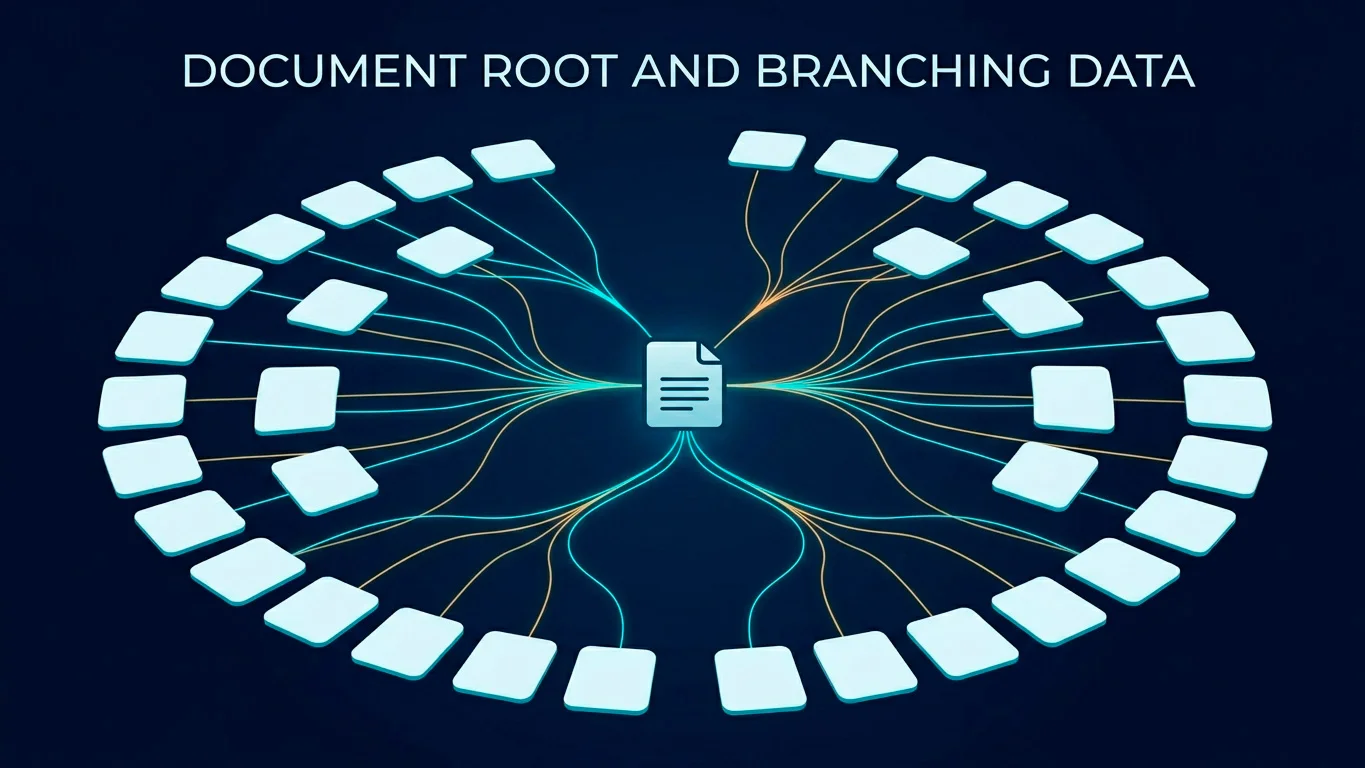
The single most important nuance that licence formats fail to capture is the shared-licence ladder. Several large operator groups hold one Curacao licence and run between four and ten consumer-facing brands under it, each with its own website, marketing and customer support but all sharing a single corporate parent. Independent review databases such as casino.guru document this pattern explicitly. The consequence for a British player is that self-excluding at one brand, or having an account closed by one brand for any reason, does not bind any of the sister brands. The same email address, the same payment card and even the same KYC documentation can frequently be used to open an account at the sister site with no friction.
This pattern is not a fault of the licensing regime; the LOK and Anjouan rules both permit a single licensee to operate multiple brands. It is a fault of player due diligence to treat a brand-level self-exclusion as if it were operator-wide. When you check a licence number on the CGA register you should look at the licensee field rather than the brand name, and if the licensee is a corporate entity that is unfamiliar, a follow-on web search for the company name will usually reveal the full set of sister brands. The companion page on due diligence on offshore licences walks through the steps in detail.
Understand how KYC differs across jurisdictions
Each regime imposes its own KYC and anti-money-laundering rules on the operator, and these flow through to the player as the experience of registration and withdrawal. UKGC operators must verify identity, age and address before a customer can deposit and must conduct ongoing source-of-funds monitoring as the customer’s activity grows; this is enforced through the Licence Conditions and Codes of Practice and through the Money Laundering Regulations 2017. The LOK in Curacao imposes KYC as a licensing requirement but allows a triggered approach: identity verification can in practice be deferred until a withdrawal is requested, although the licensee remains obliged to refuse onboarding from sanctioned jurisdictions and to apply customer due diligence proportionate to risk. Anjouan is the lightest of the three regimes on KYC, with the basics required by the Comoros framework but with limited published guidance on how the regulator audits compliance. MGA matches or exceeds UKGC on documentary KYC requirements but with European-style identity infrastructure that British players have to navigate as a foreign system.
The practical implication for a British reader is that the prospect of “no KYC” play at a Curacao or Anjouan site is largely a marketing claim. The KYC step is deferred, not abolished, and it usually arrives at the moment of withdrawal. How KYC differs across jurisdictions sets out the document set, the typical timings and the failure modes that turn a deferred KYC into a withheld payout.
Use the UK support channels regardless of where the operator is licensed
Licence regimes vary, but the support channels for British residents do not. The National Gambling Helpline operated by GamCare is on 0808 8020 133, free, 24 hours a day, 7 days a week, with live chat at gamcare.org.uk. GambleAware funds treatment through the National Gambling Treatment Service, and gamstop.co.uk is the official entry point to the self-exclusion scheme.
Use the regime as the first filter, not the last
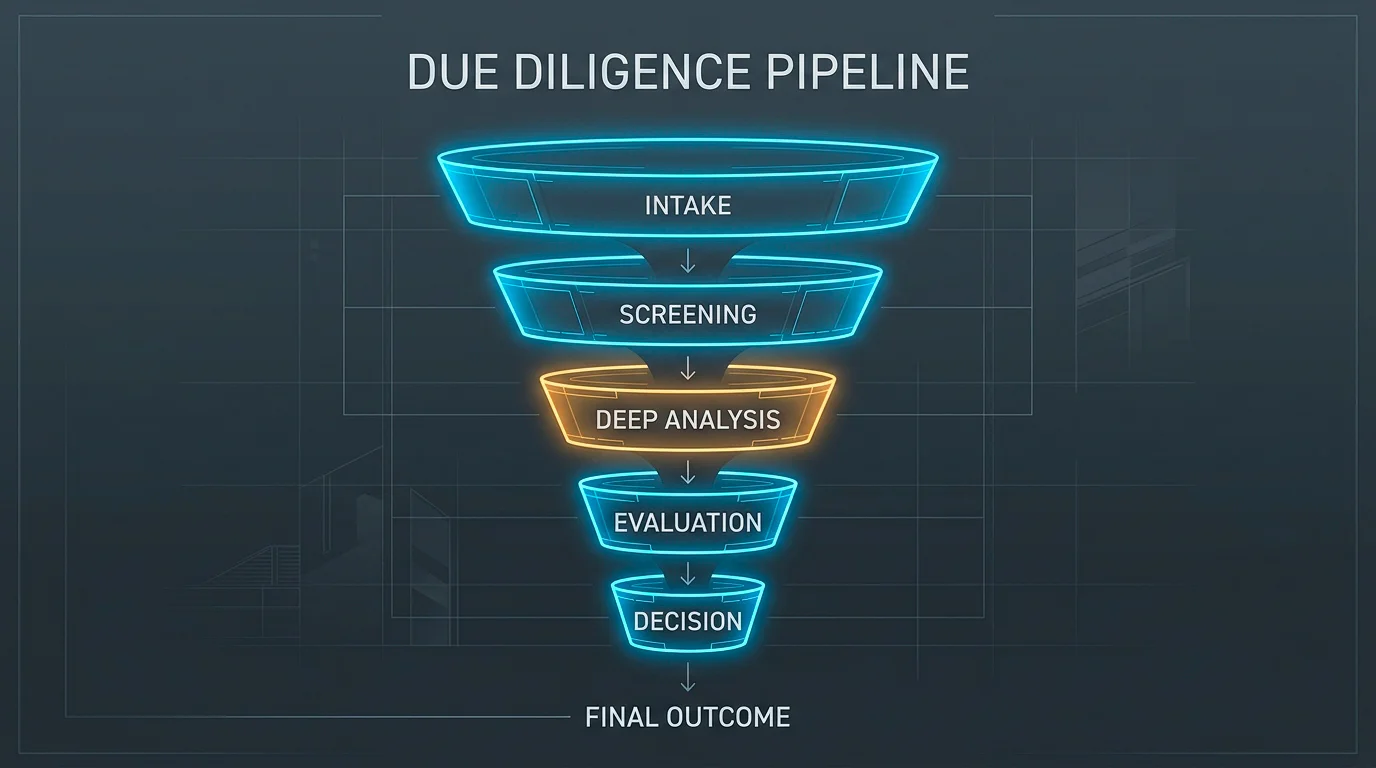
The most useful conclusion from a regime-by-regime comparison is that the licence is the first filter through which any offshore brand should be passed. A site that does not state its licensing authority or that quotes only a generic Costa Rica registration is not a candidate for due diligence; it should simply be skipped. A site that quotes a current Curacao OGL/2024/#### licence on the LOK register, with a named Curacao-resident director and a published terms-of-service and responsible-gambling page, has passed the first filter; it has not yet passed any of the others. The site that proves it is licensed should be checked against the next layers: how to verify the licence in practice, the underlying UK legal status of accepting British custom, and the wider non-GamStop overview that ties licensing to payments, KYC and the bank-side controls a British player will encounter.
About the author
Nathan Caldwell is a gambling-regulation researcher who has spent more than a decade analysing how UK self-exclusion schemes, licensing frameworks and offshore operators interact. His work centres on player-protection mechanisms, the GamStop scheme and the practical realities British players face when they encounter operators licensed outside the United Kingdom. He writes to help readers weigh the legal and safety trade-offs behind their gambling decisions rather than to promote any single operator. Read the full profile on the about page.
Published by the Casino not on Gamstop team.