Understand how the GamStop self-exclusion scheme actually works
 Available in GB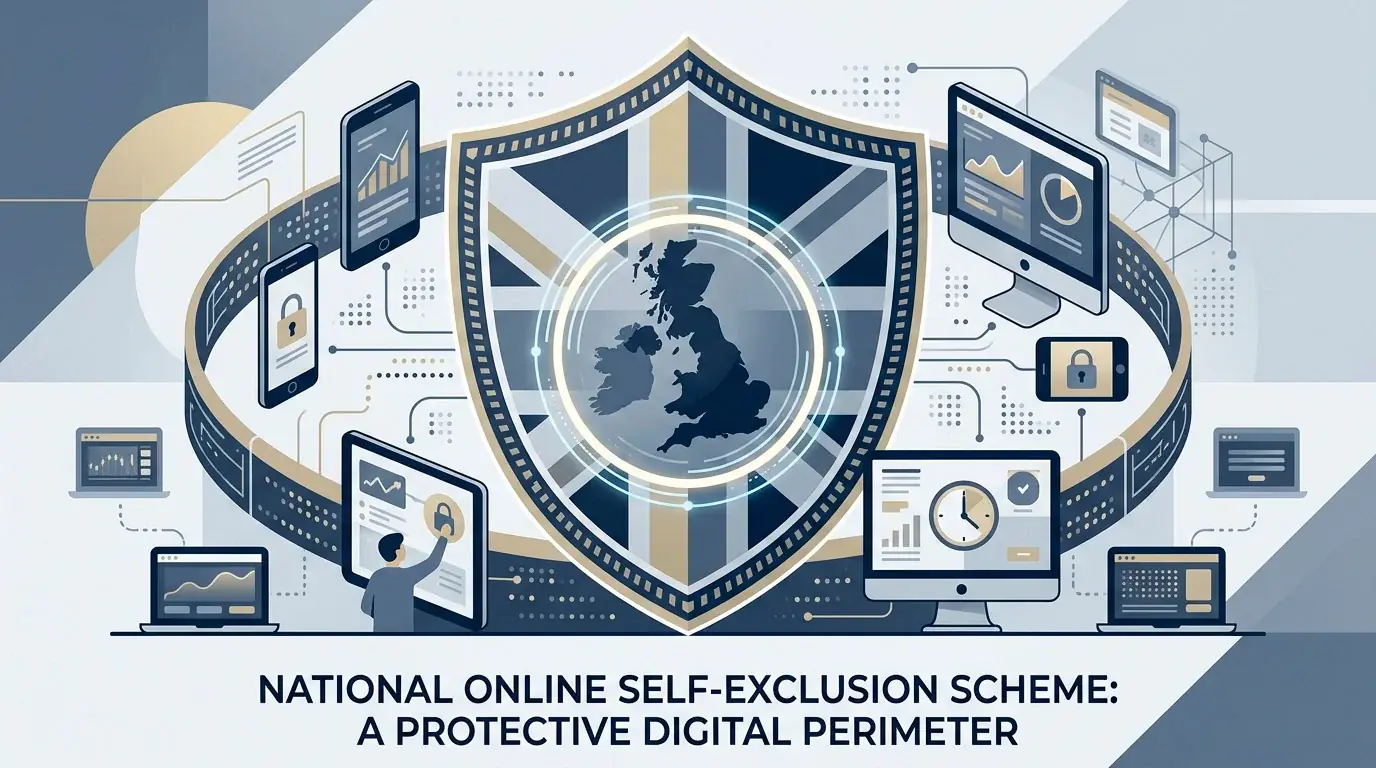
GamStop is the United Kingdom’s national online multi-operator self-exclusion scheme. Most explanations stop at “register and you cannot gamble at UK sites for a while”, but the mechanism is substantially more specific than that, and so are its limits. This page walks through who runs the scheme, what licence rule forces operators to integrate with it, exactly how registration and the cooling-off period work, the three exclusion lengths available to a British player, and where the scheme stops being effective. If you have arrived from a search for casinos not on GamStop, the second half of this page is the one that matters: it sets out what the scheme cannot reach and where the genuine player-protection gap sits.
- Check what GamStop actually is and who runs it
- Check the licence condition that forces operators to integrate
- Walk through the GamStop registration step by step
- Compare the 6 month, 1 year and 5 year exclusion periods
- Understand the 24 hour synchronisation cycle
- Understand what GamStop cannot block
- Check the published scheme statistics
- Connect the scheme to the rest of the picture
- Get help with gambling harm in the United Kingdom
- About the author
Check what GamStop actually is and who runs it
GamStop is the trading name of The National Online Self-Exclusion Scheme Limited, usually shortened to NOSES. It is a not-for-profit company set up specifically to run a single shared database of British consumers who have asked to be blocked from online gambling. The scheme launched in April 2018 after several years of consultation between the gambling industry, the regulator and harm-reduction charities, and it has been the only nationally recognised online self-exclusion route in the United Kingdom since. The technical principle is simple: a consumer registers once on the GamStop website, and every UK-licensed online gambling operator queries that database before allowing a new account or a new log-in. If the consumer’s details match, the operator must refuse the registration or close the existing account.
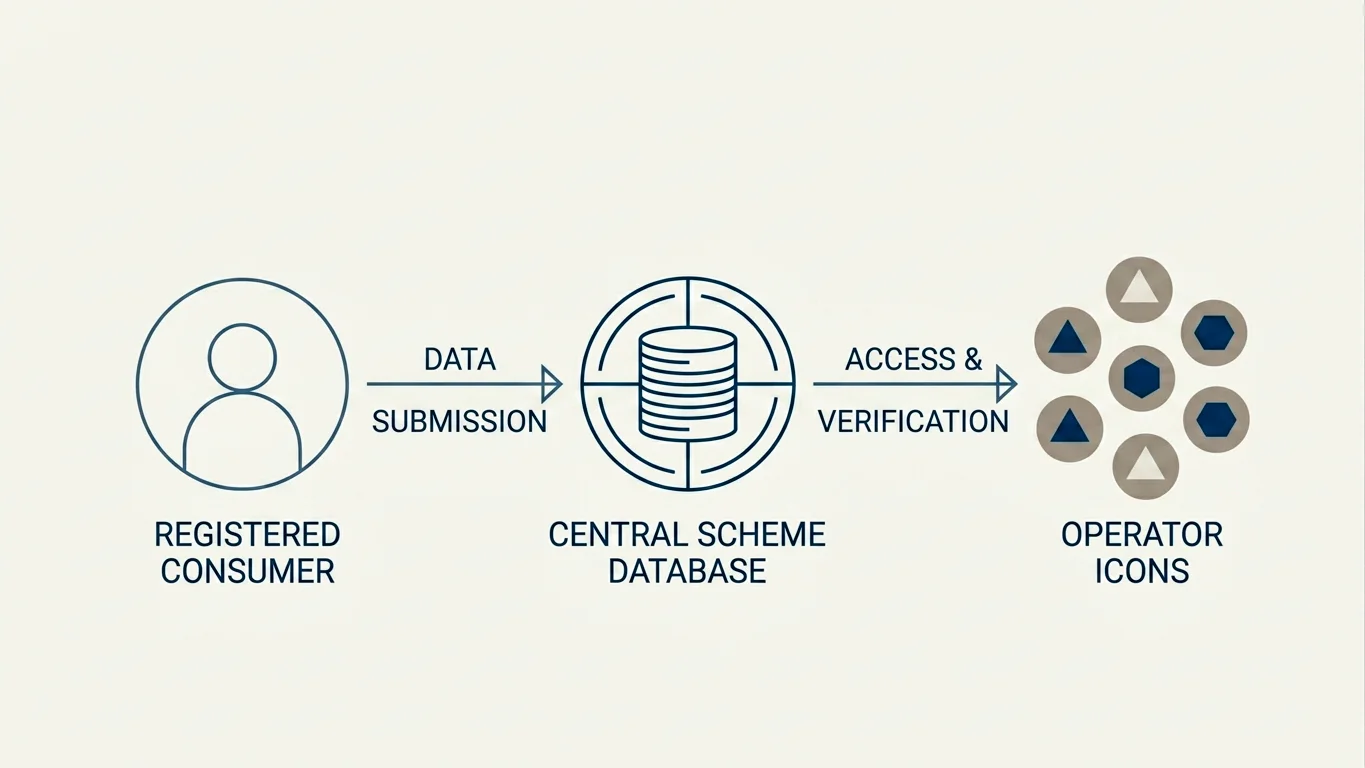
The key point that is often missed in general guides is that GamStop is not a regulator and has no enforcement powers of its own. NOSES is the operational hub that holds the data; the legal teeth come from the licence condition that the UK Gambling Commission imposes on every operator it regulates. Without that condition, the scheme would be voluntary and patchy. With it, the scheme is, in effect, mandatory across the whole UK-licensed online sector. You can read the regulator’s own description of its remote-gambling licence obligations at the UK Gambling Commission, and the scheme operator’s own consumer-facing material at gamstop.co.uk.
Check the licence condition that forces operators to integrate
The rule that turns GamStop from a voluntary tool into a market-wide requirement is Social Responsibility Code 3.5.5 of the UK Gambling Commission’s Licence Conditions and Codes of Practice, usually abbreviated to LCCP. Since 31 March 2020 every operator holding a UKGC remote casino, betting or bingo licence must be integrated with GamStop and must query the database before opening an account or letting a self-excluded customer log in. The same code requires operators to refresh the GamStop list every twenty-four hours so that a new registration becomes effective across the entire UK-licensed market within a day. The full regulatory text is published on the regulator’s website under Social Responsibility Code 3.5.5.
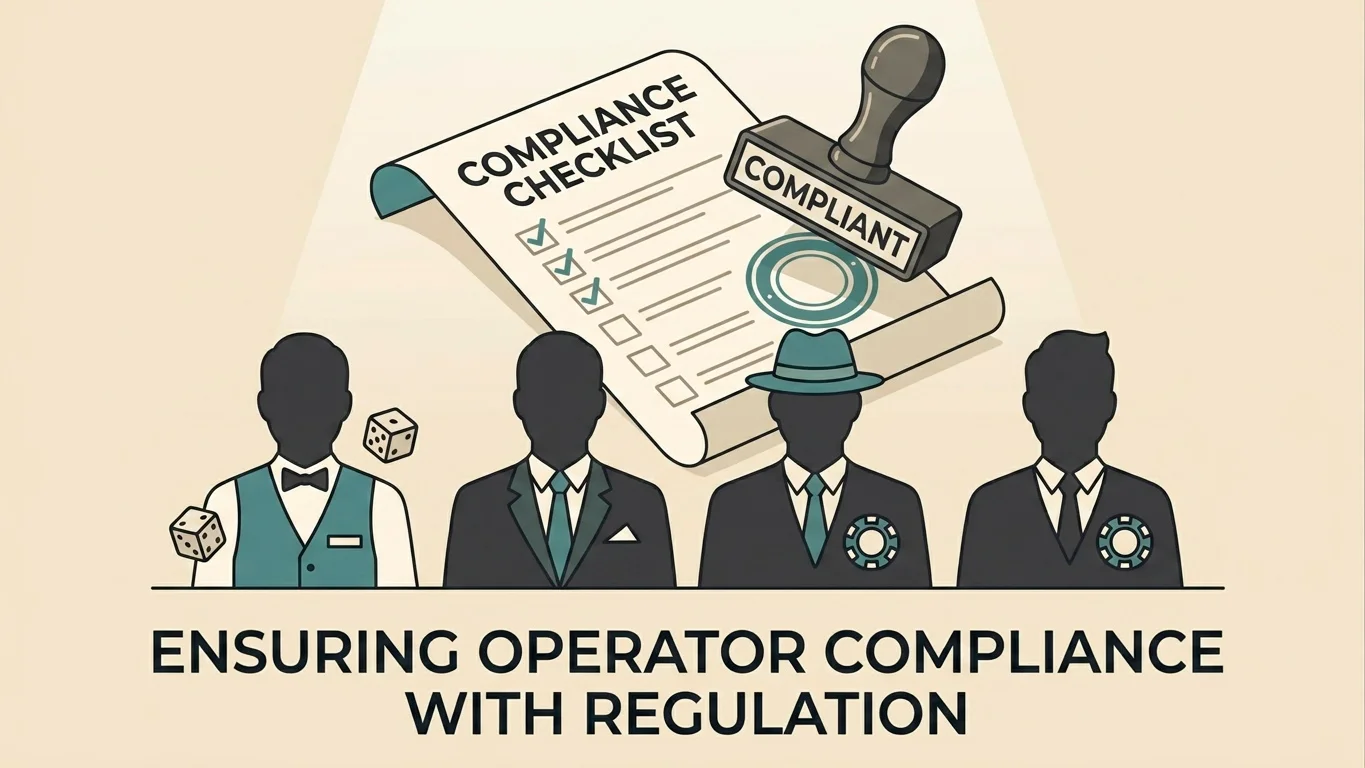
The scope of the rule has widened since the original 2020 date. From 1 April 2024 the integration requirement also covers telephone and email betting accounts, a change the regulator described in its own blog post titled “Widening the scope of GAMSTOP”. Before that change a self-excluded consumer could, in theory, still place a bet by phone with a UK-licensed bookmaker because phone wagering was treated separately. After it, the same database is consulted regardless of whether the customer is using a website, an app, a phone line or an email channel. This matters because it closes a gap that had been used, occasionally in good faith and occasionally not, by both operators and customers. The underlying offence remains the one in section 33 of the Gambling Act 2005, which makes it a criminal matter for an unlicensed provider to offer gambling facilities to British consumers in the first place.
Walk through the GamStop registration step by step
Registration is free and is done exclusively on the official GamStop website. A consumer enters personal identifiers that the scheme can use to match against any future account opening: full legal name, date of birth, postcode, current address, email and mobile number. The reason the form asks for several identifiers is precisely to reduce false negatives at the operator end, because a determined consumer who later regrets the decision can otherwise sign up at a UKGC site using a slightly different spelling or a secondary email. The more identifiers a registrant supplies, the harder it is for that simple workaround to succeed. NOSES is registered as a data controller and holds the records under UK data-protection rules; the scheme’s own privacy notice on gamstop.co.uk sets out retention periods and the lawful basis.
Once the personal details have been submitted, the registrant chooses an exclusion length and confirms by email. The record is added to the database the same day, and from then on each UK-licensed operator picks up the new entry within twenty-four hours when it refreshes its local copy of the list. There is no fee at any point, and there is no commercial sign-up step embedded in the process. If a website or app offers to “register you with GamStop for a fee”, it is not the real scheme. The official portal does not use intermediaries and does not charge.
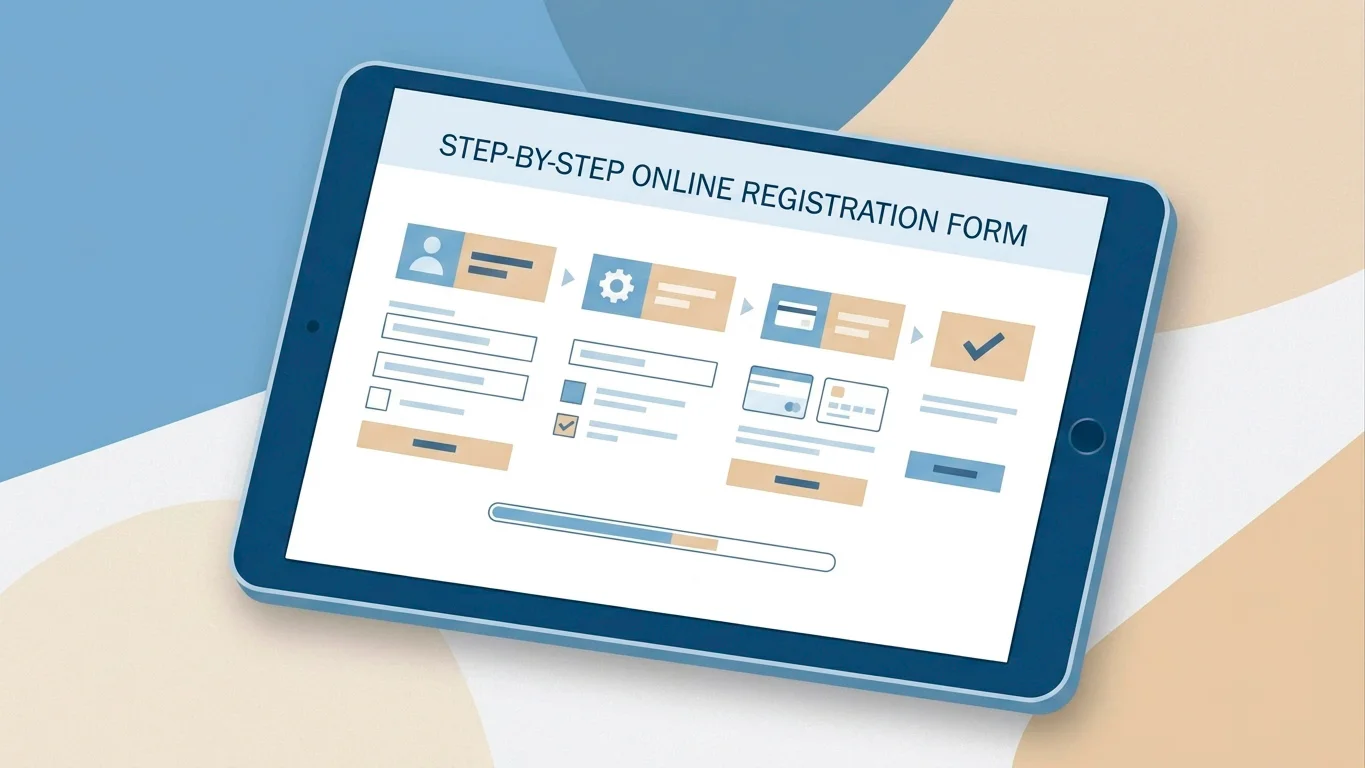
One detail that catches consumers out is the matching logic. GamStop matches on a combination of identifiers, not on any single one. A small typo in the address line is forgiven; a different email address is not, by itself, enough to defeat the match if the name, date of birth and home address are the same. This is also why people who have moved house since registering occasionally find that a UK operator still recognises them, because the older identifiers are still in the database. The fix is to log back in to GamStop and update the address record rather than re-register.
Compare the 6 month, 1 year and 5 year exclusion periods
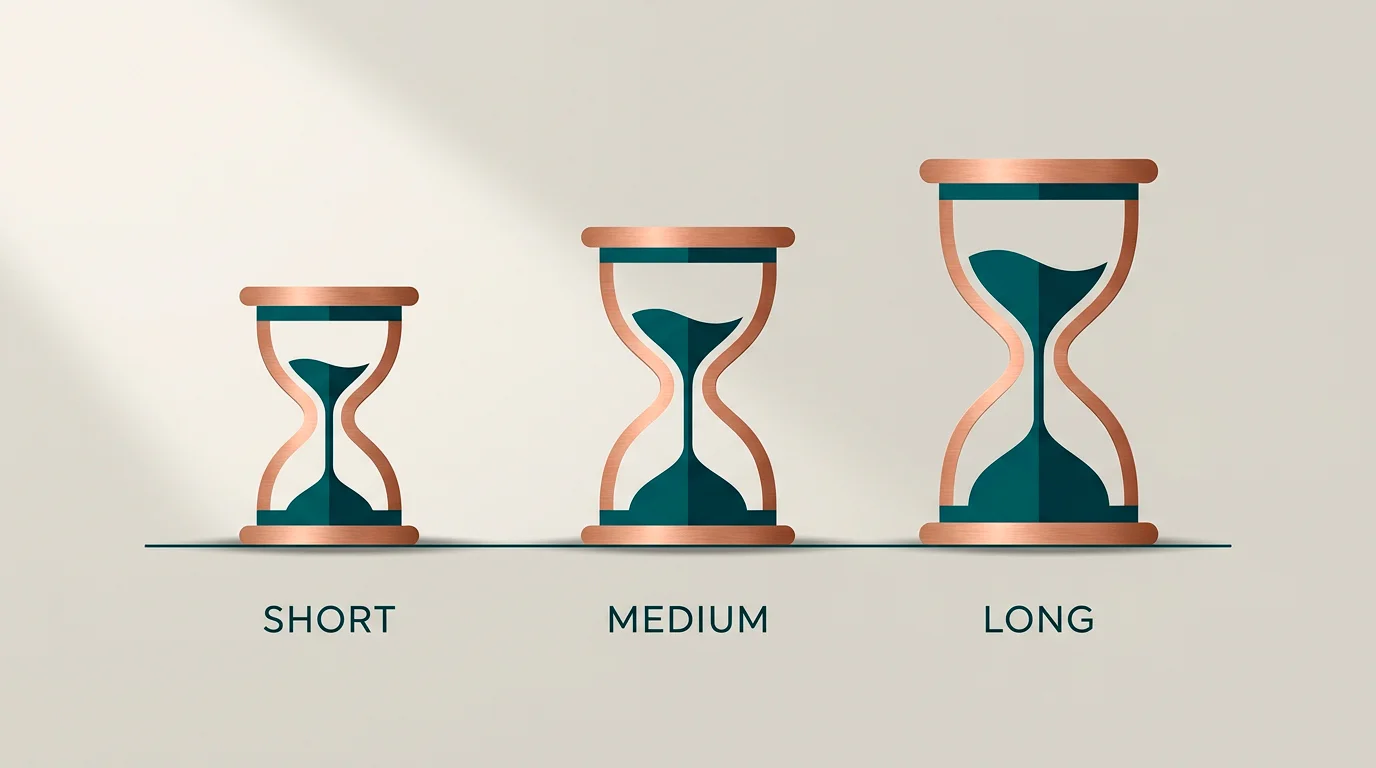
GamStop offers three exclusion lengths: six months, one year and five years. The three are deliberately staged. The six-month option is the entry point for consumers who want a cooling-off rather than a long commitment, and it is the most common choice in the scheme’s published statistics. The one-year option is used by consumers who have already tried shorter breaks or who are in active treatment. The five-year option is intended for consumers who consider their relationship with online gambling to be a settled problem rather than a temporary one. None of the three periods can be shortened from inside the system. Once a period has been chosen and confirmed, it runs to its end date.
From December 2024 the five-year option also has an “auto-renewal” variant. A consumer who picks the five-year period with auto-renewal continues to be excluded indefinitely until they actively opt out at the end of a five-year cycle. The change closed a behavioural gap that NOSES had identified in its earlier user research: a meaningful share of consumers who completed the original five-year term went on to re-register a short time later, suggesting that the natural decision point at the end of a long exclusion was a moment of vulnerability rather than recovery. The auto-renewal flag turns the default into “stay excluded” rather than “rejoin the market”.
The legitimate route out of any exclusion is covered in detail on a separate page; see the legitimate route off GamStop for the full 24 hour cooling-off process. No commercial third party can lawfully shorten a chosen exclusion period before it ends, and any service that advertises an “early removal” should be treated as a scam.
Understand the 24 hour synchronisation cycle
The technical heart of GamStop is the synchronisation cycle. NOSES publishes the registration list to UK-licensed operators, and the LCCP rule requires each operator to refresh its local copy at least every twenty-four hours. In practice most large operators refresh more often than that because they have automated pipelines, but the regulatory floor is once per day. The consequence is that a new GamStop registration is, in most cases, effective across the whole UK-licensed online market within a single day, and the regulator treats any delay beyond twenty-four hours as a breach of the operator’s licence rather than a NOSES problem.
The same cycle applies to the end of an exclusion. When a registrant’s term expires, the database flags them as no longer excluded only after they have completed the mandatory cooling-off period described on the dedicated removal page. Until that happens, the daily sync continues to tell every UK operator to refuse the account. This matters because some consumers assume their account will simply reopen on the calendar date the exclusion ends. It does not. The block stays in place by default until the registrant takes the additional step of confirming, with at least twenty-four hours of separation between request and effect.
Understand what GamStop cannot block
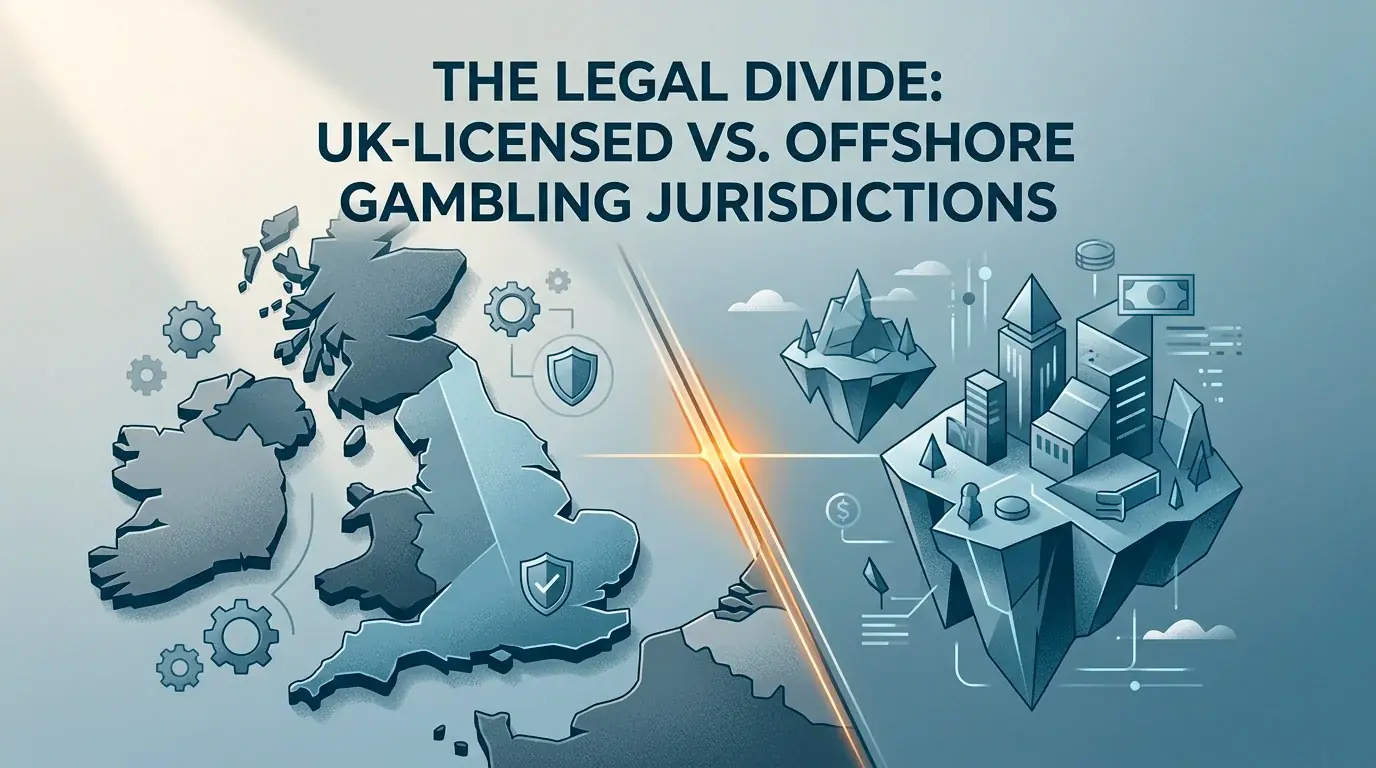
This is the section that matters most for anyone arriving at the page from a search for casinos not on GamStop. The scheme is built around UK Gambling Commission licensees. Any operator that does not hold a UKGC remote licence is not bound by LCCP 3.5.5, does not query the GamStop database and does not see the registration. That is true whether the operator is licensed in Curacao under the new Landsverordening op de Kansspelen regime, in Anjouan under the ALSI framework, in Malta under the MGA or somewhere else entirely. Self-exclusion at GamStop is therefore site-bounded in a very specific way: it is bounded by the regulatory perimeter of the UKGC, not by the technical reach of the internet.
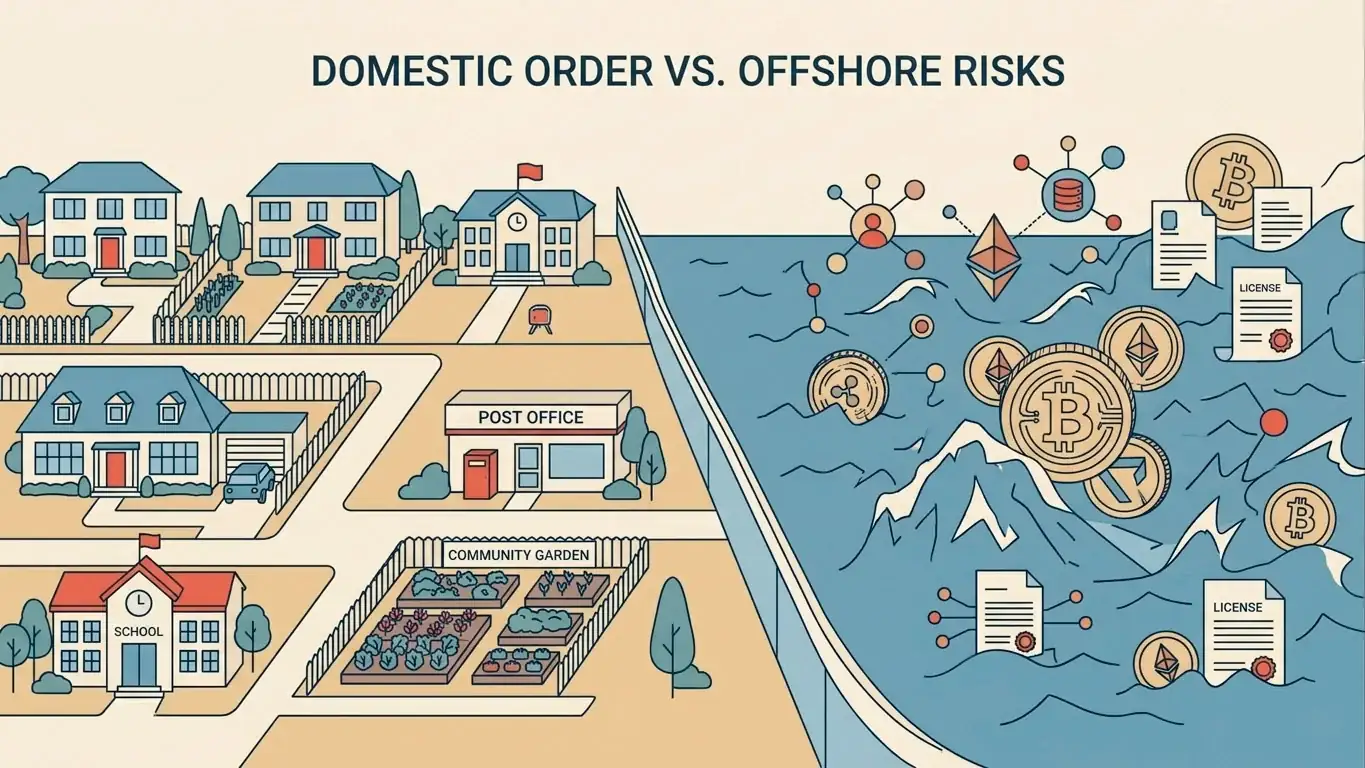
The same logic applies to land-based gambling. GamStop does not cover high-street bookmakers, casino premises or arcades, which operate under separate self-exclusion schemes such as SENSE and the Bingo and Casinos Multi-Operator Self-Exclusion Scheme. It does not cover the National Lottery or society lotteries, which use their own player-protection routes. It does not cover peer-to-peer betting outside the licensed market, and it does not cover advertising. A consumer who has registered on GamStop will still see gambling advertising on television, in stadium boards and on streaming platforms unless they have also configured device-level and platform-level ad controls.
A consumer who wants protection that travels beyond UKGC-licensed sites needs to combine GamStop with additional tools. The most relevant ones are the blocking tools that cover offshore sites, especially the TalkBanStop programme that pairs GamStop registration with the device-level Gamban software and the National Gambling Helpline. The combination of database-side, device-side and bank-side blocks is the only approach that meaningfully closes the offshore gap.
Check the published scheme statistics
NOSES publishes a half-yearly report with scheme statistics, and the H2 2025 edition provides the most recent published figures at the time of writing. Cumulative registrations stood at over 562,000 by the end of 2025. New registrations in the second half of 2025 totalled 58,675, which works out to about 319 new sign-ups per day. The reports also break the figures down by age band; in H2 2025 the 16 to 24 year age band accounted for 29 per cent of new sign-ups and was up around 40 per cent year-on-year, a movement that the scheme operator has flagged for further work because younger registrants tend to use shorter exclusion lengths and are more likely to relapse.
Those numbers are useful for context, but they have an inherent limit. They count registrations on the GamStop database, not the underlying population of British consumers experiencing gambling harm. Independent estimates published by the Betting and Gaming Council, drawing on Frontier Economics modelling, put the population using offshore casinos at approximately 1.5 million British adults. The gap between the two figures, around 940,000 once you subtract the GamStop population, is one of the more honest measures of how far the scheme’s reach falls short of the actual demand for harm-reduction tools at the operator end of the market.
Connect the scheme to the rest of the picture
GamStop sits inside a larger regulatory and player-protection architecture. The licence rule that obliges operators to use it comes from the LCCP, which is in turn issued under the powers given to the UKGC by the legal framework behind GamStop in the Gambling Act 2005 and the Gambling (Licensing and Advertising) Act 2014. The blocking tools that complement it operate device-side and bank-side rather than database-side. The shortest practical way to picture the system is as three concentric layers: GamStop blocks UK-licensed sites at the operator’s gate, Gamban and similar tools block all gambling domains at the device’s gate, and bank-app gambling controls block payments at the financial-transaction gate. Any one layer used alone has known gaps. The three layers used together have very few.
If you arrived at this page because a UKGC site has just blocked you and you are searching for alternatives, the more useful next step is to look at the legitimate end-of-exclusion route rather than at offshore alternatives. The official end of self-exclusion process uses the cooling-off period that NOSES has built into the system rather than relying on offshore sites that do not query the database at all. The reasons that distinction matters are covered in detail on the legitimate-route page and on the main non-GamStop guide.
Get help with gambling harm in the United Kingdom
If gambling is causing harm to you or to someone close to you, free and confidential help is available right now. The National Gambling Helpline, operated by GamCare, is on 0808 8020 133, free to call, 24 hours a day, 7 days a week, with live chat and WhatsApp options at gamcare.org.uk. GambleAware funds treatment and prevention work across England, Scotland and Wales; consumer information is at gambleaware.org. The National Online Self-Exclusion Scheme is at gamstop.co.uk. The NHS National Gambling Treatment Service offers free clinical help across the United Kingdom via referral. Useful primary sources are gamcare.org.uk, gambleaware.org and gamstop.co.uk.
About the author
Nathan Caldwell is a gambling-regulation researcher who has spent more than a decade analysing how UK self-exclusion schemes, licensing frameworks and offshore operators interact. His work centres on player-protection mechanisms, the GamStop scheme and the practical realities British players face when they encounter operators licensed outside the United Kingdom. He writes to help readers weigh the legal and safety trade-offs behind their gambling decisions rather than to promote any single operator. Over his career he has contributed analysis to industry compliance discussions and completed certified training in responsible-gambling practice. Read more about Nathan on the author profile.
Prepared by the Casino not on Gamstop editorial staff.